World War II did not start without warning. Political decisions, economic collapse, and the failure of international diplomacy in the 1920s and 1930s all pushed Europe and Asia toward war. This page collects the key facts on each major cause, organized for quick study or review. Related: European Theater of World War II and Battle of the Bulge.
Treaty of Versailles
The 1919 treaty that ended World War I placed full blame for the war on Germany and imposed heavy penalties, including large payments called reparations and strict limits on the German military. Those terms created lasting economic strain and widespread anger inside Germany. That anger became a major factor in German politics throughout the 1920s and 1930s.
 FactsthatCrunch
When the Treaty of Versailles took effect on January 10th, 1920, Germany lost about 13 percent of its territory and 10 percent of its population to neighboring countries and newly created states. The treaty required Germany to pay reparations set at 132 billion gold marks in 1921, a sum that put severe pressure on the German economy throughout the 1920s. Germany also had to reduce its army to 100,000 soldiers and was barred from having an air force, leaving it militarily weaker than many smaller European nations.
The reparations obligation was formally ended by the Lausanne Conference of 1932, and Germany made a final symbolic payment on October 3rd, 2010, closing the last debt linked to the treaty. The territorial losses shaped the borders of present-day Poland, Denmark, France, and Lithuania, boundaries that still exist today. Historians at institutions such as the German Historical Institute point to the treaty's economic and political pressure as a key factor that made German voters open to radical political movements in the late 1920s and early 1930s.
The terms imposed on Germany in 1919 created lasting economic and political instability that shaped the conditions leading to the rise of the Nazi party and, eventually, World War II.
FactsthatCrunchWhy Did the Treaty of Versailles Cause World War II?
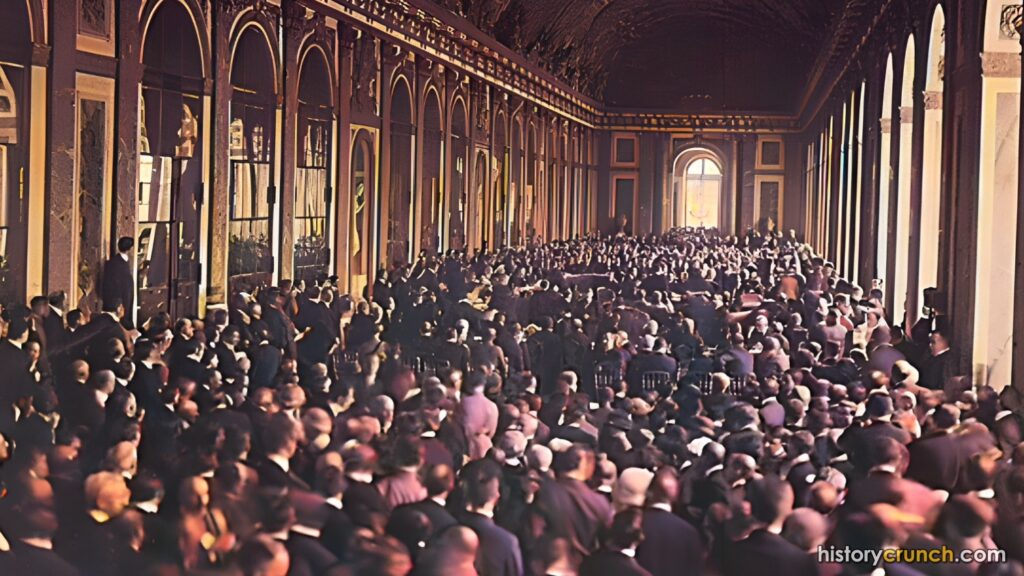
The Treaty of Versailles, signed on June 28th, 1919, forced Germany to accept full blame for World War I under Article 231, known as the War Guilt Clause, and pay reparations set at 132 billion gold marks in 1921. Germany also lost about 13 percent of its territory and was banned from keeping a large military, leaving many Germans feeling humiliated and economically crushed. Adolf Hitler used that anger to gain political support, promising to undo the treaty's terms, which led directly to the military expansion and territorial demands that triggered World War II.
FactsthatCrunchHow did the Treaty of Versailles come together from the armistice of 1918 to the final signing in 1919?
Tap a point to read its detail.
FactsthatCrunchThe Allied and Associated Governments affirm and Germany accepts the responsibility of Germany and her allies for causing all the loss and damage to which the Allied and Associated Governments and their nationals have been subjected as a consequence of the war imposed upon them by the aggression of Germany and her allies.
Treaty of Versailles, Article 231 · Palace of Versailles, France · June 28th, 1919
Article 231 opened the reparations section of the peace treaty that ended World War I. Germans called it the war guilt clause because it made Germany accept blame for the war and set the legal basis for reparations payments. Anger over this clause helped the Nazi Party gain support in Germany, which makes it a key background document for World War II.
 FactsthatCrunchFactsthatCrunch
The 1921 London Schedule of Payments set Germany's total reparations bill at 132 billion gold marks, equal to about $33 billion at the time, making it the largest financial penalty ever imposed on one country.
The Reparations Commission announced the figure on April 27th, 1921, after two years of assessment under the terms of the Treaty of Versailles. The bill was divided into Series A, B, and C bonds, with Germany required to pay the A and B portion of 50 billion gold marks unconditionally. The resentment the payments caused in Germany fueled Nazi propaganda and helped Adolf Hitler rise to power, directly shaping the conditions that led to World War II.
FactsthatCrunchIn both wars, the two main blocs shifted as countries changed sides or joined late. Italy switched alliances in both conflicts, and the entry of the United States in each war helped tip the balance toward the Allied side.
FactsthatCrunchFactsthatCrunchThe Treaty of Versailles forced Germany to dismantle most of its military, capped its army at 100,000 soldiers, and banned it from having an air force, leaving many German military officers and politicians deeply resentful of the peace terms imposed in 1919.
The Versailles treaty's military restrictions were meant to prevent Germany from threatening its neighbors again. Instead, those restrictions became a rallying point that German nationalist politicians, especially Hitler, used to justify rearmament and territorial expansion throughout the 1930s.
FactsthatCrunchThe Allied and Associated Governments affirm and Germany accepts the responsibility of Germany and her allies for causing all the loss and damage to which the Allied and Associated Governments and their nationals have been subjected as a consequence of the war imposed upon them by the aggression of Germany and her allies.
What does Article 231 best support about the legal purpose of the reparations clause in the Treaty of Versailles?
In the Treaty of Versailles (1919), which of these clauses punished Germany and which ones reshaped European borders?
Sources
- Library of Congress
- National Archives
- National WWII Museum
- Smithsonian Institution
- Treaty of Versailles, Part VIII, 1919, Library of Congress
- Treaty of Versailles, Part VIII, Article 231, Yale Law School Avalon Project, 1919
- UNESCO
- US National Archives
Great Depression
The global economic collapse that began in 1929 hit Germany especially hard, wiping out savings, closing businesses, and pushing unemployment to very high levels. Economic desperation made many Germans willing to support extreme political movements that promised fast solutions. The Depression weakened democratic governments across Europe and created conditions that made radical leaders harder to resist.
FactsthatCrunchFactsthatCrunchHow Did the Great Depression Lead to World War II?
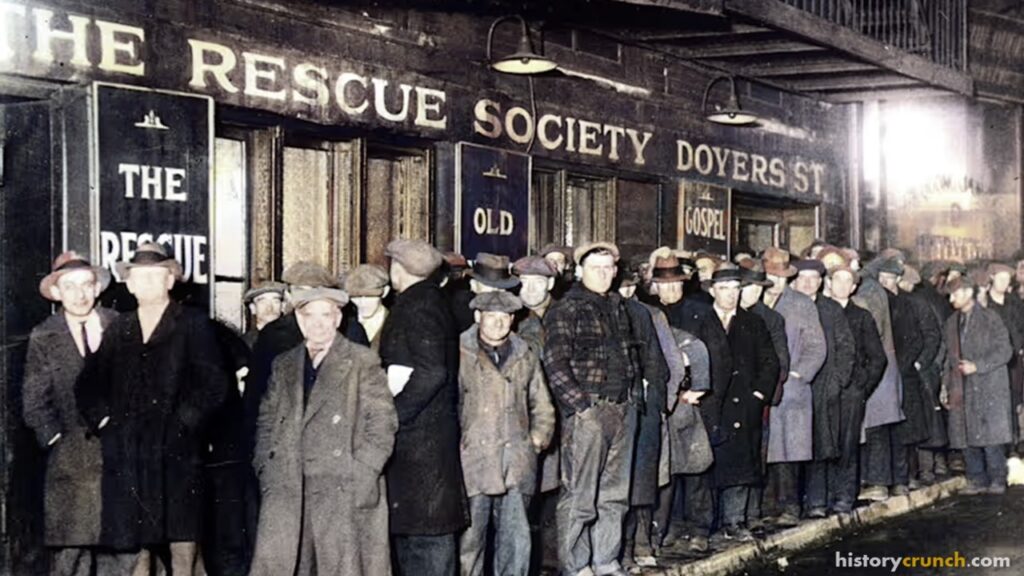
The Great Depression, which began in 1929, caused mass unemployment and poverty across the world, making millions of people desperate for strong leadership and quick solutions. In Germany, the economic collapse helped Adolf Hitler and the Nazi Party rise to power in January 1933, because many Germans blamed the existing government for their suffering and turned to radical parties that promised national recovery. In Japan and Italy, the same economic hardship pushed leaders toward aggressive expansion, as they sought new territory and resources to solve their countries' economic problems.
FactsthatCrunchThe six years from 1933 through 1938 marked a greater upheaval in American institutions than in any similar period in our history.
Roosevelt opened this stretch with his 'fear itself' inaugural address in March 1933, and this historian's line measures just how much the New Deal changed the country in the years that followed.
 FactsthatCrunch
Germany's Bruening Austerity Decrees of 1930 to 1932 cut wages, jobs, and welfare payments at the height of the Great Depression, deepening unemployment and public anger.
FactsthatCrunch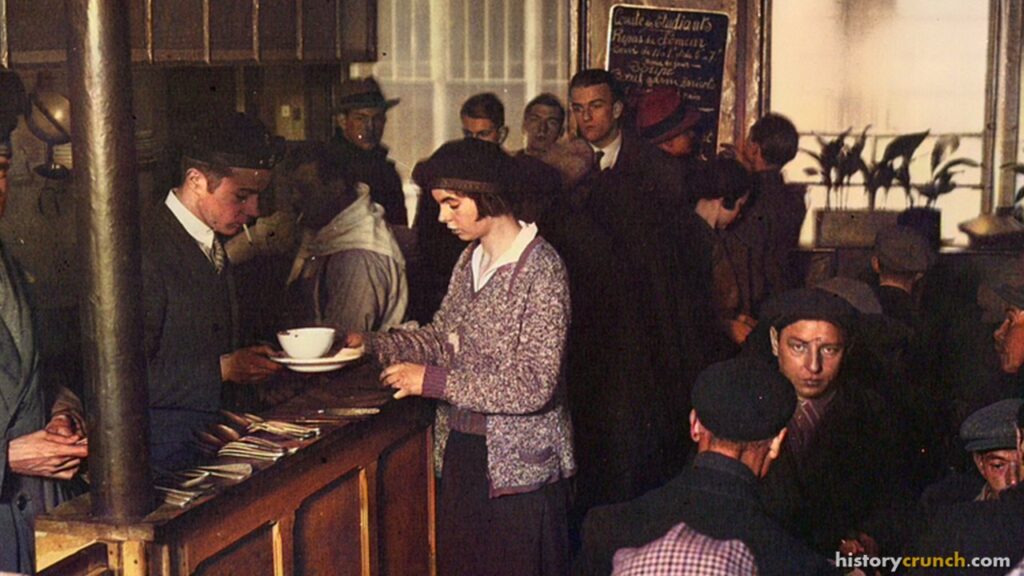 Black & whiteColourFactsthatCrunch
Follow the chain from top to bottom. Tap any step to read what happened.
FactsthatCrunchThe Great Depression directly caused World War II by itself, without other contributing factors.
Which policy did the United States use during the Great Depression that worsened the global economy?
Sources
- Franklin D. Roosevelt and the New Deal, 1932-1940 (1963)
- Library of Congress
- National Archives
- Smithsonian Institution
- UNESCO
Rise of Hitler
Adolf Hitler's path from fringe politician to head of the German government between 1919 and 1933 did not happen in isolation. It depended on specific economic pressures, political miscalculations by rival parties, and legal steps that dismantled democratic checks on power. The decisions made during those years determined what kind of government Germany would have as Europe moved toward war.
FactsthatCrunch FactsthatCrunch
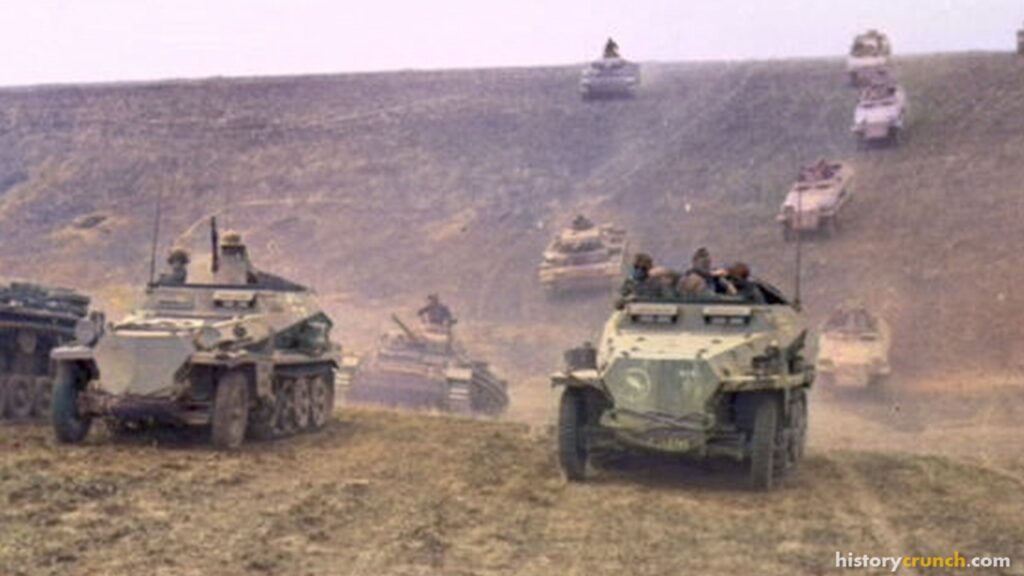 FactsthatCrunch
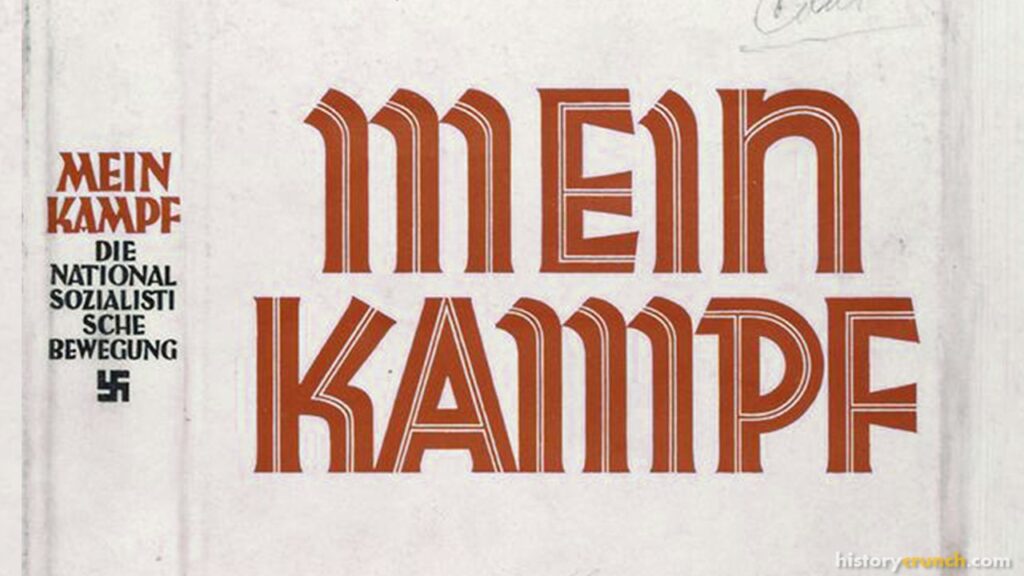 Evidence PhotoFactsthatCrunchFactsthatCrunch
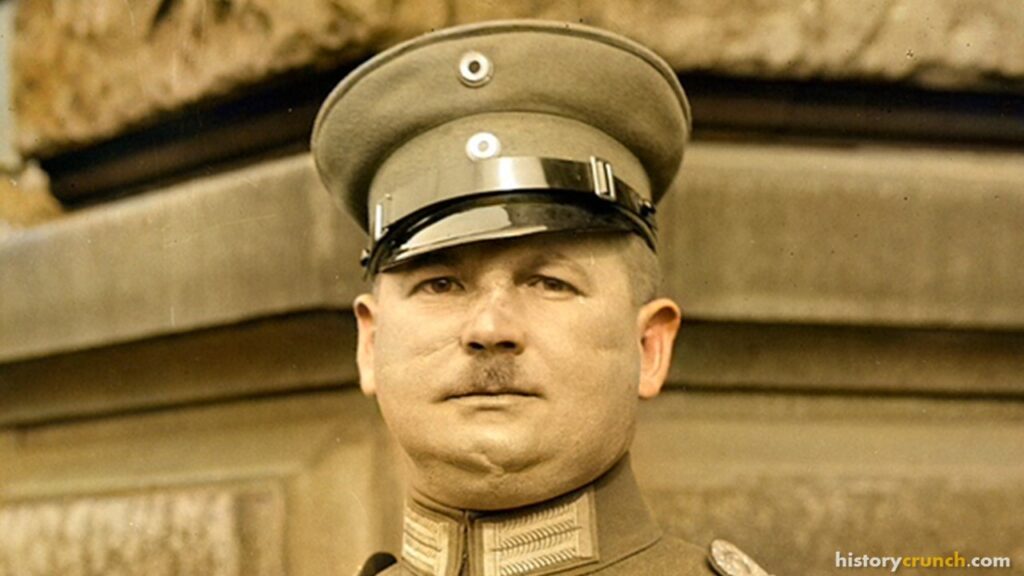 FactsthatCrunch
Anschluss refers to the political union of Austria with Germany, which took place in March 1938. Adolf Hitler, who was Austrian-born, pushed for this merger as part of his goal to bring all German-speaking people under one government. The union was completed on March 12th, 1938, when German troops entered Austria and the country was absorbed into the Third Reich without armed resistance.
"After the Anschluss, Austrian citizens were required to carry German identity papers and follow German law."
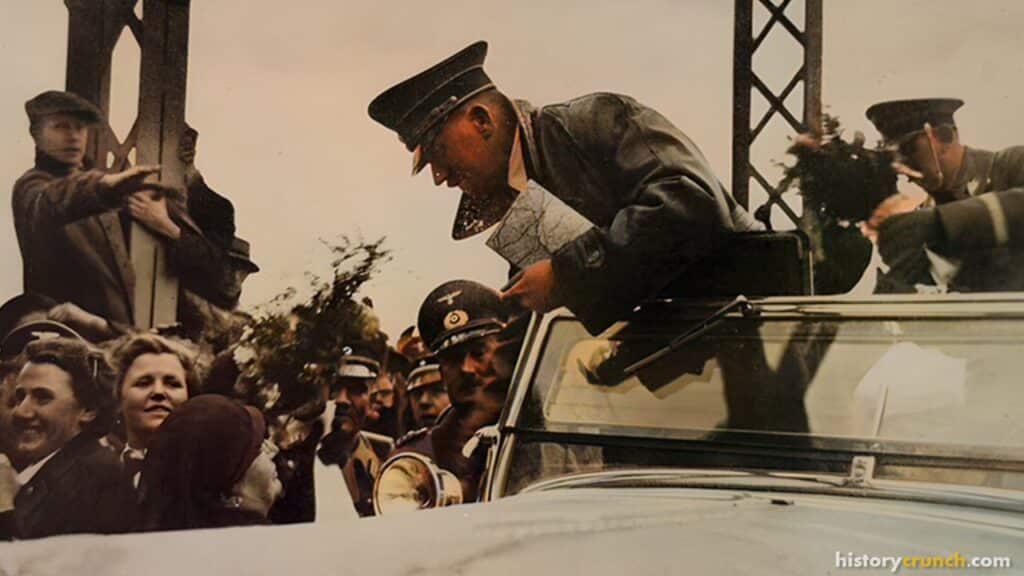 FactsthatCrunch
 FactsthatCrunch
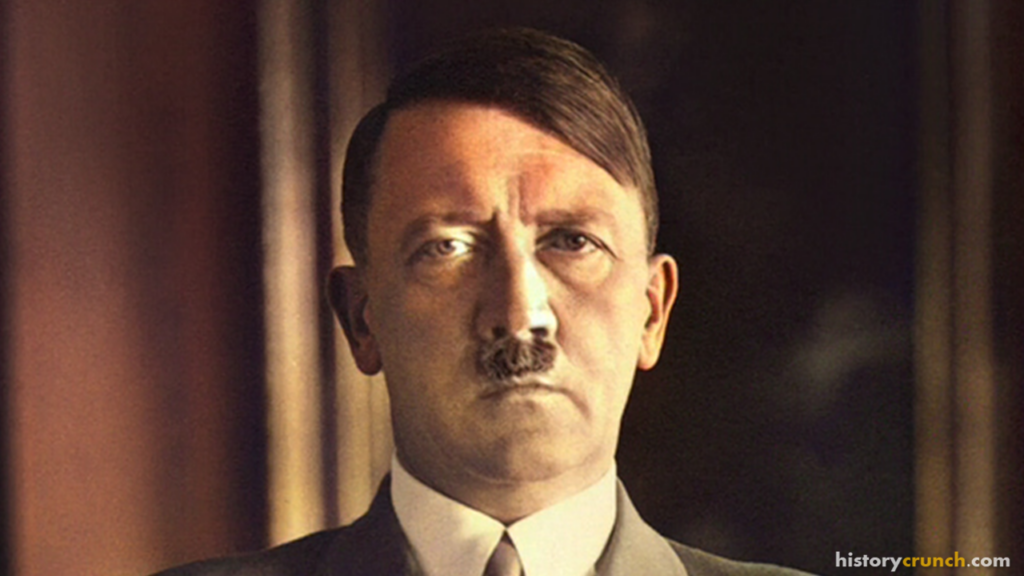
Hitler rose from a failed art student and World War I corporal to become the dictator of Germany, leading the country into World War II and directing the Holocaust. His decisions as supreme military commander, including the invasion of the Soviet Union in June 1941 and the declaration of war on the United States in December 1941, shaped the course of the entire conflict.
FactsthatCrunchHow did Adolf Hitler turn a democracy into a dictatorship between 1933 and 1939?
In Hitler's rise to power in Germany, did each of these events happen before 1933 or after 1933?
Hitler came to power in Germany by staging a violent coup against the existing government.
FactsthatCrunch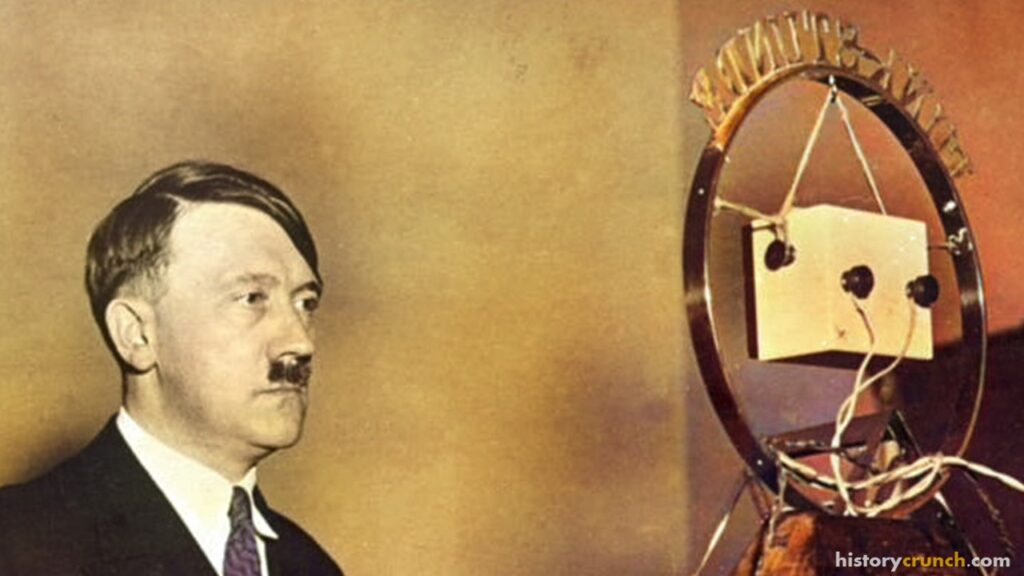
In this colorized photograph of Adolf Hitler at a radio microphone in 1933, what does the choice of this setting and technology reveal about how the Nazi regime intended to build political control in Germany?
Sources
- German Federal Archives (Bundesarchiv)
- Library of Congress
- National WWII Museum
- Smithsonian Institution
- UNESCO
- United States Holocaust Memorial Museum
- US National Archives
Fascism in Italy
Italy under Benito Mussolini was the first European country to build a fascist government, which gave that political model visibility and apparent credibility before Hitler came to power in Germany. Mussolini used state control of media, suppression of opposition, and aggressive nationalism to hold power from 1922 onward. Italy's example showed other movements across Europe that fascism could take and keep control of a modern state.
FactsthatCrunchEverything within the State, nothing outside the State, nothing against the State.
Mussolini used this three-part slogan to rally a crowd in Milan around his idea of a totalitarian state, one where the government controlled every part of public and private life, and Fascist propaganda repeated the formula across Italy for years afterward.
 FactsthatCrunch
To him, a vigorous physical-activity program was important not only for the promotion of physical wholeness and hygienic living, but quite as much for the moral and civic training and spiritual expression implicit in group activities.
It records a foreign visitor's firsthand view of how the Fascist regime shaped Italian children to live out its slogan Believe, obey, fight through drilled group activity.
FactsthatCrunchFactsthatCrunchWe find on the houses around here, on the ruins of the houses, the words of the soldiers traced by rapid brushstrokes in the early days of the resistance. All heroes! We will win the Piave, or we will all die! It is better to live one hour as a lion than one hundred years as a sheep! With these writings, the humble battered homes have the sacred majesty of a temple.
This firsthand report shows that the famous lion and sheep line began as soldiers' graffiti on ruined homes during World War I, years before Benito Mussolini adopted it as a Fascist slogan.
 FactsthatCrunch
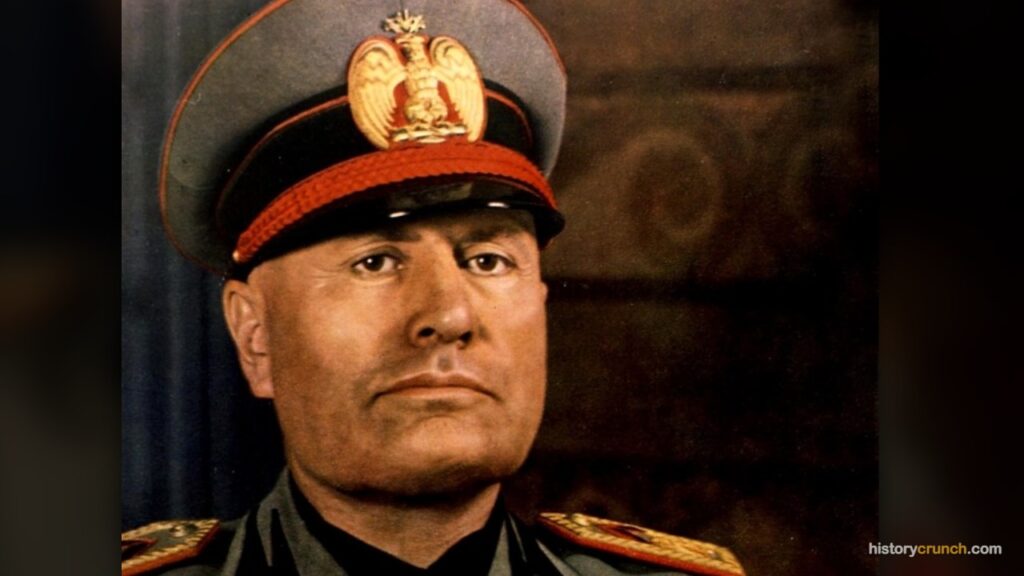
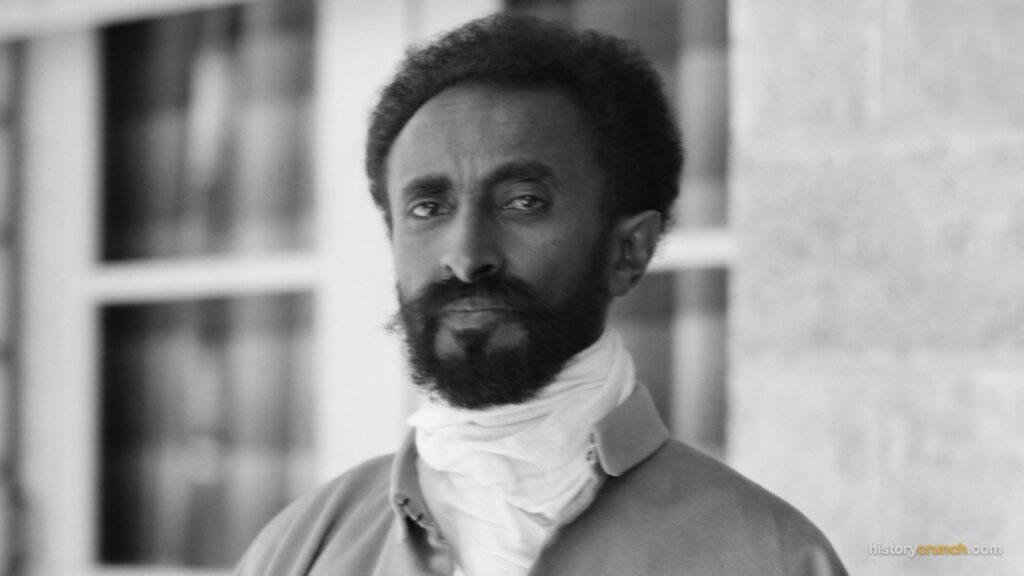
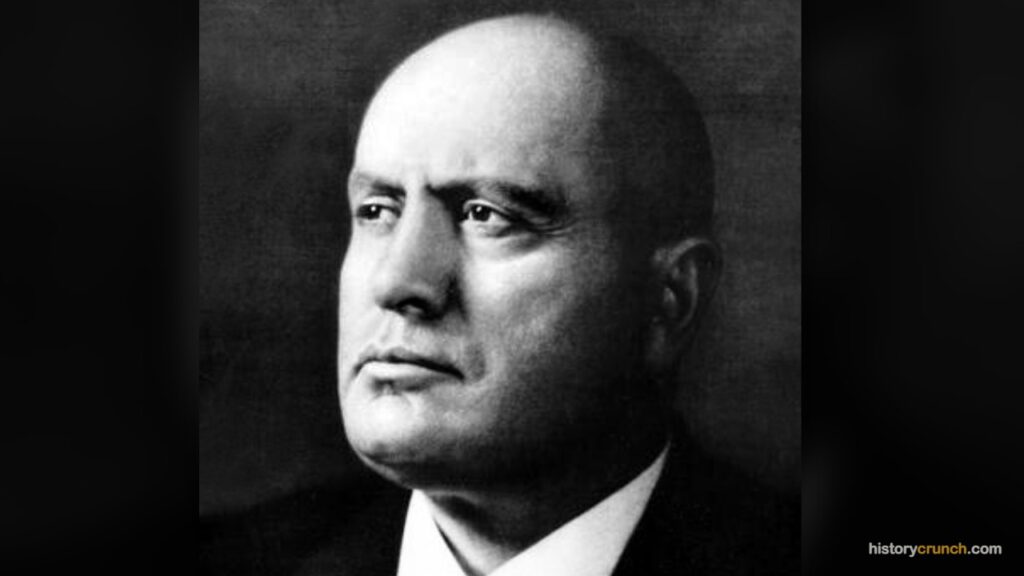
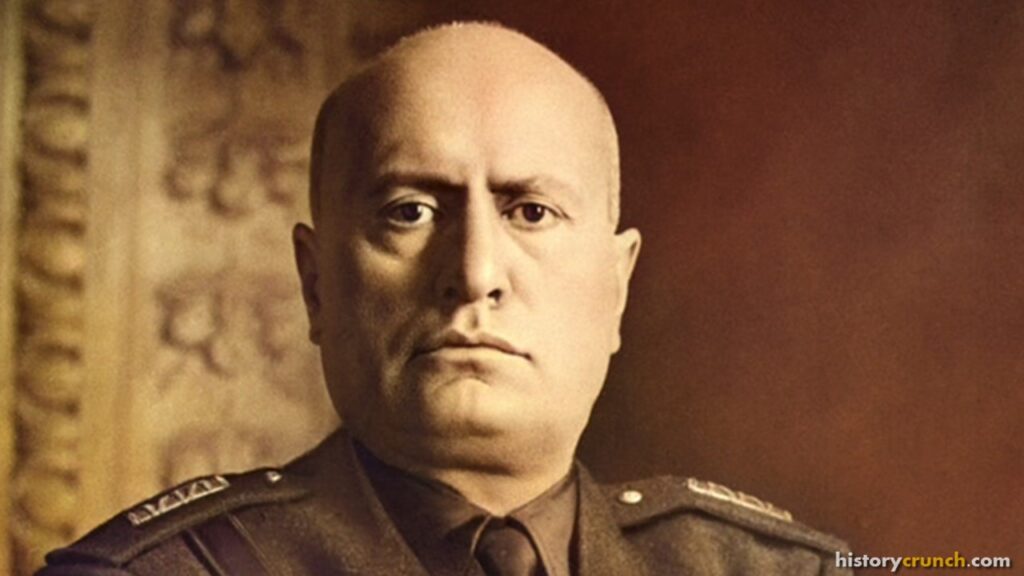
Mussolini created the world's first fascist government and ruled Italy as Il Duce, meaning 'The Leader,' for over two decades. His alliance with Nazi Germany, signed in the Pact of Steel in May 1939, pulled Italy into World War II and shaped the conflict in Europe and North Africa.
 FactsthatCrunch
 Black & whiteColourFactsthatCrunchFactsthatCrunch
Why did the League of Nations fail to stop Italy's invasion of Ethiopia in 1935?
FactsthatCrunchIn what order did these steps turn Mussolini into Italy's dictator?
Sources
- Arnaldo Fraccaroli, war report in Corriere della Sera, 1918
- Library of Congress
- National Archives and Records Administration
- National WWII Museum
- P. W. L. Cox, account of education in Fascist Italy, 1930s
- Smithsonian Institution
- Speech in Milan, October 28th, 1925 (Library of Congress)
- US National Archives
Japanese Expansion
While Europe moved toward conflict, Japan was pursuing territorial expansion across East Asia and the Pacific, driven by a need for raw materials and a military-led government with aggressive goals. Japanese actions in China and the Pacific put it on a direct collision course with the United States and European colonial powers. Those moves connected the conflicts in Asia and Europe into a single world war.
FactsthatCrunchWhy Did Japan Invade China?
Japan invaded China in 1937 primarily to gain control of Chinese territory, raw materials, and markets that Japan believed it needed to grow as a major industrial power. Japan had already seized Manchuria in 1931, and its military leaders pushed to expand further into China to secure coal, iron, and farmland. The full-scale war began after a clash between Japanese and Chinese troops at the Marco Polo Bridge near Beijing on July 7th, 1937.
FactsthatCrunchFactsthatCrunchMilitarism is the belief that a country should maintain a strong military and use it as the main tool of national power and foreign policy. A government driven by militarism spends heavily on weapons, soldiers, and warships, and treats military strength as a top national goal. In the years before World War II, Japan and Germany both built up their armed forces far beyond what their economies could easily support.
"Japan's militarism in the 1930s led its government to expand the army and navy rapidly, giving military leaders strong influence over political decisions."
FactsthatCrunchFactsthatCrunchJapan's expansion began with a staged military incident in Manchuria in 1931 and widened step by step over ten years. Each move faced limited international resistance, which encouraged Japan to push further until open war with the United States became unavoidable.
FactsthatCrunchWhen the League of Nations failed to stop Japan's seizure of Manchuria in 1931, it showed aggressive powers that military conquest could go unpunished, a lesson that shaped the decade of aggression that led to World War II.
Japan's invasion of Manchuria on September 18th, 1931, was the first direct test of the League's ability to enforce peace through collective action. The League condemned Japan but imposed no military force and no meaningful economic penalties, and Japan simply withdrew from the League in March 1933 rather than obey the Lytton Commission's report asking it to leave Manchuria.
Germany and Italy watched the outcome closely. When neither Japan's exit from the League nor its continued occupation of Manchuria brought serious consequences, leaders in Berlin and Rome understood that the League would respond to aggression with words rather than force.
The failure encouraged a pattern. Italy invaded Ethiopia in October 1935, and the League again stopped short of effective action. Each unanswered act of aggression made the next one easier to attempt, building the sequence of events that ran through the late 1930s toward general war.
The Manchuria episode also weakened confidence in collective security as a concept. Britain and France, the League's leading members, showed they would not commit troops or risk war to uphold its rulings, leaving smaller nations with no reliable guarantee of protection and pushing them toward their own arrangements for survival.
FactsthatCrunchCan you put these key steps in Japanese expansion from the Manchurian Incident to Pearl Harbor in the correct order?
What was the main reason Japan wanted to expand into Southeast Asia and the Pacific by 1941?
Appeasement
During the 1930s, Britain and France repeatedly chose to accept Hitler's demands rather than risk armed conflict, a policy known as appeasement. The governments making those choices believed they were preventing war, but each concession allowed Germany to grow stronger and bolder. The pattern of those decisions is central to understanding why German expansion continued unchecked for as long as it did.
FactsthatCrunchWe seem to be very near the bleak choice between War and Shame. My feeling is that we shall choose Shame, and then have War thrown in a little later on even more adverse terms than at present.
These documented words are the original form of Churchill's famous 'war and dishonour' warning about Munich, and he repeated the same message in Parliament and in public to push Britain to rearm and stand up to Hitler.
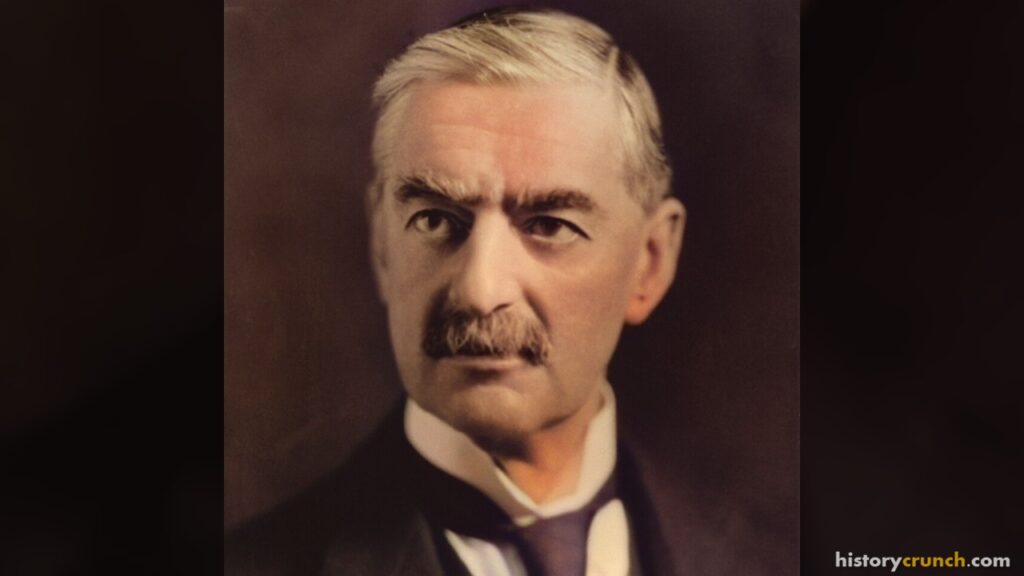 FactsthatCrunch
They were cheering for one thing and one thing only. They were cheering for peace.
Ewer saw German crowds cheer Chamberlain, not Hitler, after the Munich Agreement was signed, and his eyewitness report shows how strongly ordinary people on both sides hoped the deal meant peace.
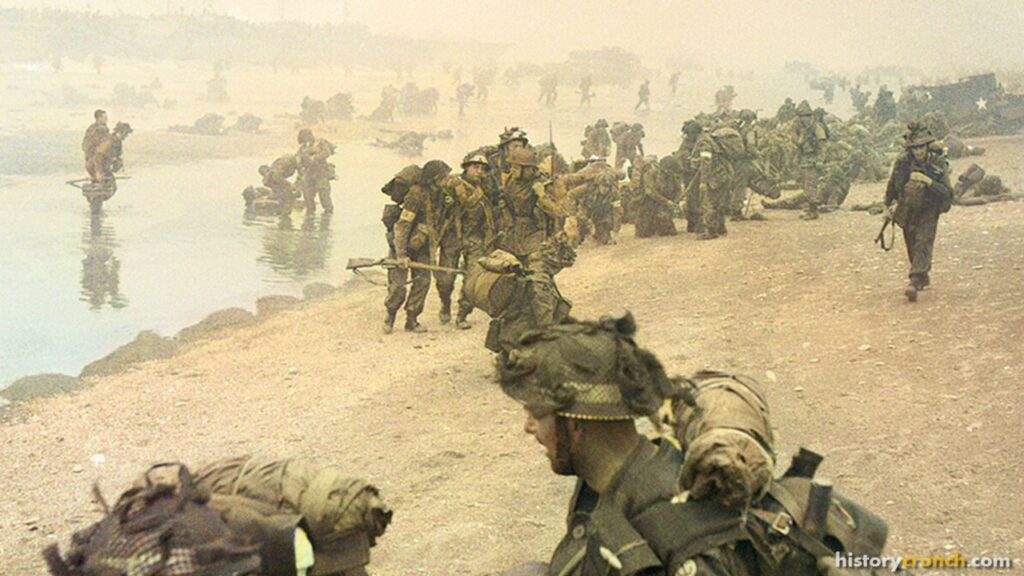 FactsthatCrunchFactsthatCrunchFactsthatCrunch
The settlement at Munich was a triumph for British policy, which had worked precisely to this end.
Taylor's verdict startled readers because it treated the Munich deal, the moment Chamberlain claimed 'peace for our time' on September 30th, 1938, as a planned goal of British policy rather than a surrender to Hitler, and it set off a long debate among historians about appeasement.
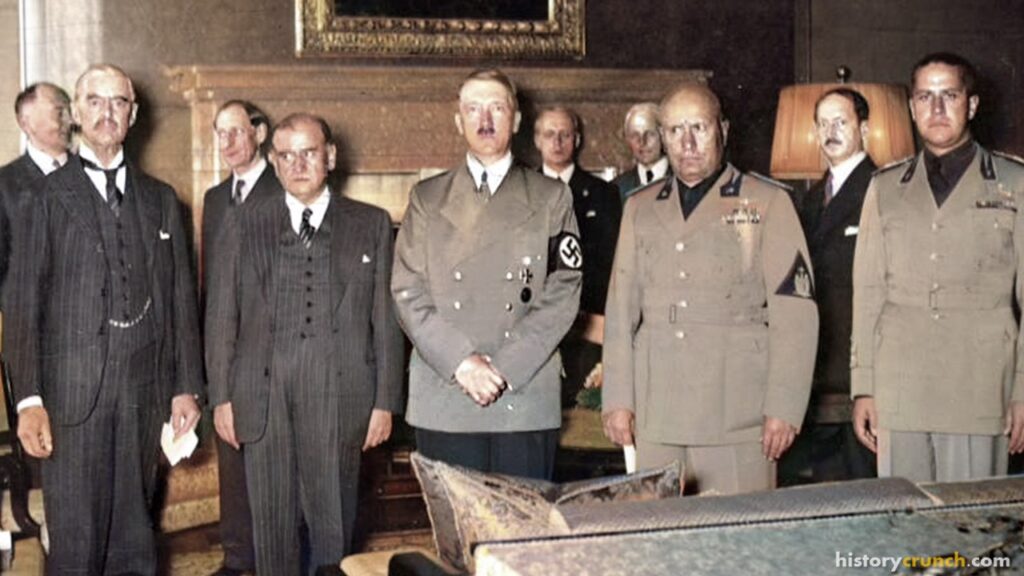
FactsthatCrunchCzechoslovakia was not invited to the Munich Conference on September 29th, 1938, and its representatives were made to wait in a separate room while Britain, France, Germany, and Italy decided to hand over Czech territory without them.
The conference gave Germany the Sudetenland, a region of Czechoslovakia home to about 3.5 million ethnic Germans. Czech diplomats Vojtech Mastny and Hubert Masarik were told the decision after it had already been made and were given no voice in the agreement. The episode is often called a textbook example of appeasement, where leaders gave in to Adolf Hitler's demands hoping to prevent a larger war.
FactsthatCrunch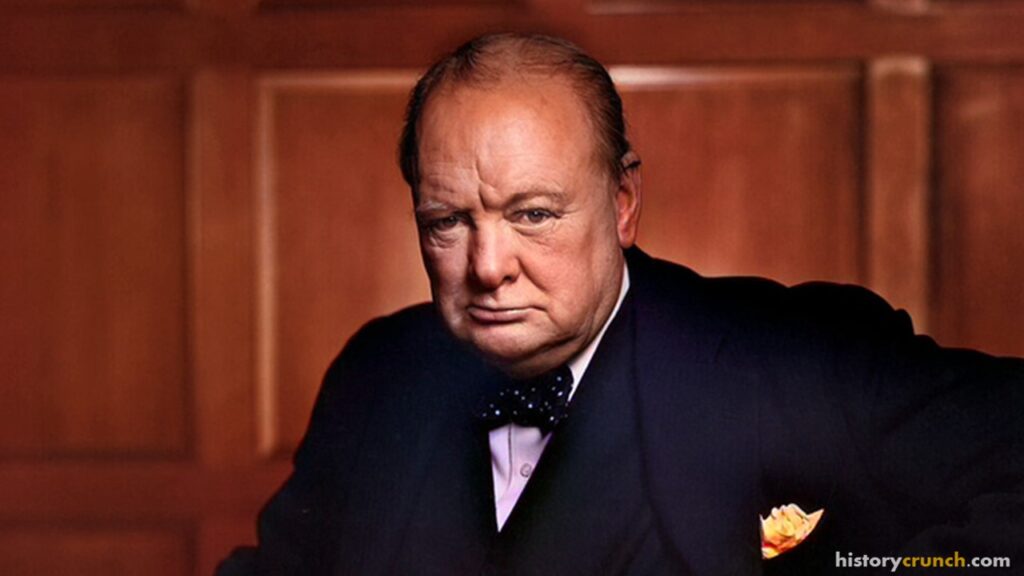
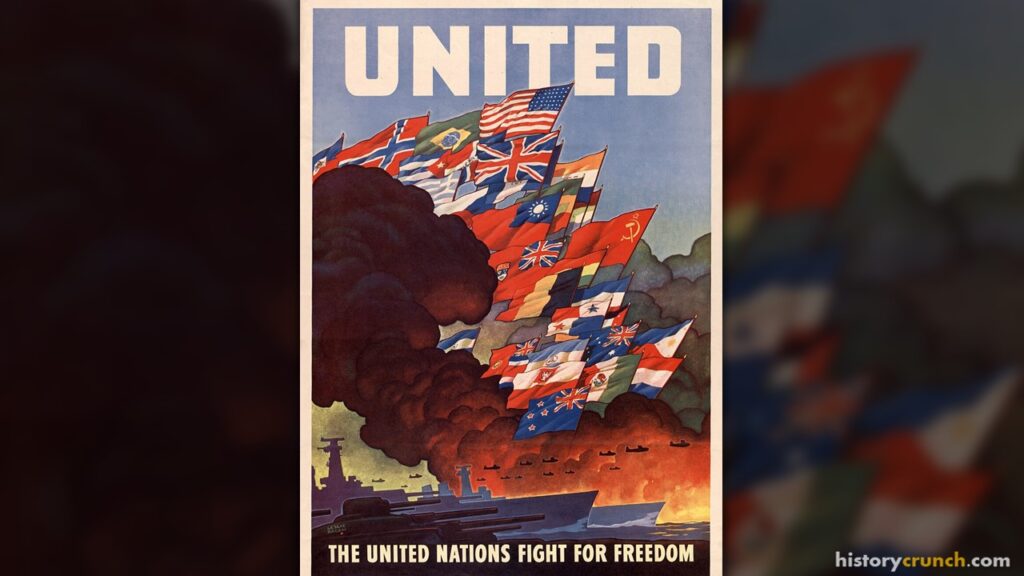 FactsthatCrunchFactsthatCrunchFactsthatCrunch
Neville Chamberlain is best known for signing the Munich Agreement in 1938, which gave Germany the Sudetenland region of Czechoslovakia in exchange for a promise of no further territorial demands. His policy of appeasement failed when Germany invaded Poland on September 1st, 1939, forcing Britain to declare war and leading to his resignation the following year.
FactsthatCrunchWas appeasement at Munich in 1938 a reasonable response to the threat of war, or a catastrophic mistake that only encouraged Hitler?
FactsthatCrunchWhere did key British figures stand on appeasement in 1938: firmly for it, firmly against it, or somewhere in between?
Tap a point to read its detail.
FactsthatCrunchWhich definition fits each appeasement term?
FactsthatCrunchIt is September 28th, 1938, and you are Prime Minister Neville Chamberlain, leader of the British government during one of the tensest moments of the years leading up to World War II. Adolf Hitler is demanding that Czechoslovakia hand over the Sudetenland, a border region where about 3 million ethnic Germans live, and he has threatened war if his demand is refused. Britain is not ready for war, the public dreads another conflict like World War I, and your decision in the next 24 hours will shape whether Europe moves toward peace or toward the war that will become World War II.
Sources
- Imperial War Museums
- Letter to Lord Moyne, 1938, Churchill Archives Centre, Cambridge
- Library of Congress
- National Archives
- National Archives (United Kingdom)
- National Archives, United Kingdom
- The Origins of the Second World War, 1961
- UK Parliamentary Archives
- UK Parliament Hansard, Commons debate, October 5th, 1938
- UNESCO
- US National Archives
Munich Conference
The September 1938 meeting among Germany, Italy, Britain, and France over Czechoslovakia's Sudetenland region is a specific turning point in the appeasement period. The agreement reached there is studied closely because it shows how the policy worked in practice, who made the key decisions, and what was given up. The outcome of the conference directly shaped the months that followed and the start of the war in 1939.
FactsthatCrunchThe Great Depression, not the Treaty of Versailles alone, was the more direct cause of Hitler's rise to power and the political collapse that made World War II possible.
FactsthatCrunchOn September 29th and 30th, 1938, the leaders of Britain, France, Italy, and Germany met in Munich and signed an agreement giving Germany the Sudetenland region of Czechoslovakia without a single shot fired, in exchange for Hitler's promise that he had no further territorial demands in Europe.
Germany had not yet seized foreign territory by force; Britain and France still believed negotiation could prevent war
Hitler concluded that Britain and France would not fight to stop him, and he pressed ahead with plans to take all of Czechoslovakia and then Poland
FactsthatCrunchFactsthatCrunchFactsthatCrunchAdolf Hitler announced Germany's intention to absorb Austria in a speech to the Reichstag, setting the stage for the Anschluss.
FactsthatCrunchGermany, the United Kingdom, France and Italy, taking into consideration the agreement, which has been already reached in principle for the cession to Germany of the Sudeten German territory, have agreed on the following terms and conditions governing the said cession and the measures consequent thereon, and by this agreement they each hold themselves responsible for the steps necessary to secure its fulfilment
What does the phrase 'already reached in principle' in the Munich Agreement passage reveal about how Britain and France treated Hitler's territorial demands at Munich?
I go the way that Providence dictates with the assurance of a sleepwalker.
Sources
- Letter to Lord Moyne, 1938, Churchill Archives Centre, Cambridge
- Library of Congress
- National Archives (United Kingdom)
- National Archives, United Kingdom
- National WWII Museum
- Smithsonian Institution
- The Origins of the Second World War, 1961
- UK Parliament Hansard, Commons debate, October 5th, 1938
- UNESCO
- US Department of State, Documents on German Foreign Policy, Series D, Vol. 2, 1957
- US National Archives
Alliances and Pacts
The formal agreements that European and Asian powers signed in the 1930s determined who would fight alongside whom once war began. Some pacts were military alliances, while others, like the Nazi-Soviet Non-Aggression Pact, were agreements not to fight each other, which freed Germany to act on other fronts. Together these agreements set the overall structure of the war before the first shots were fired.
FactsthatCrunch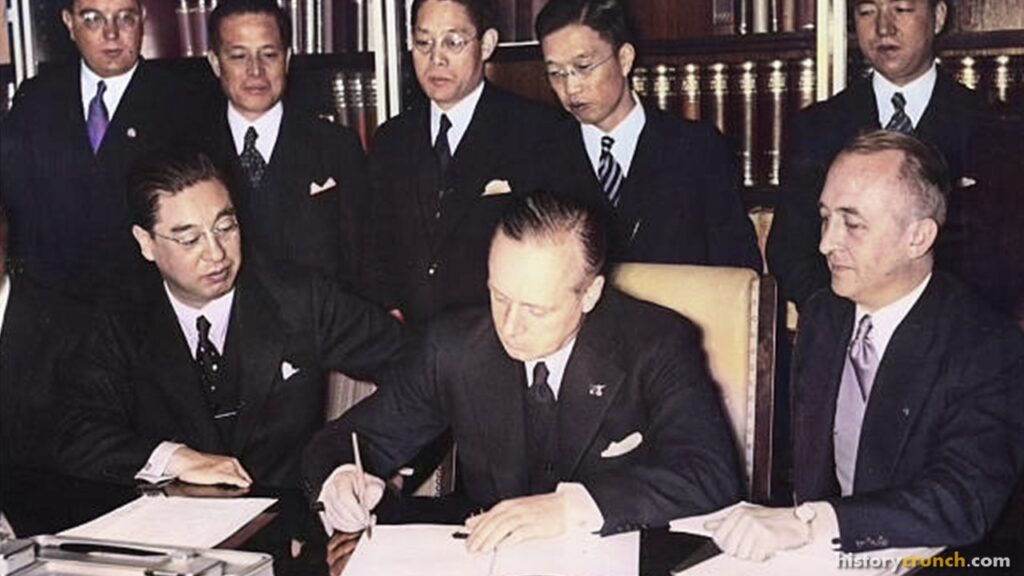 Evidence PhotoFactsthatCrunch
A nonaggression pact is a formal agreement between two or more countries promising not to attack each other for a set period of time. The countries involved do not have to be allies or share the same goals; they simply agree to stay out of each other's way militarily. These agreements were common in the 1930s as nations tried to protect their borders without going to war.
"When Germany and the Soviet Union signed a nonaggression pact on August 23rd, 1939, many countries were surprised because the two powers had been bitter enemies for years."
FactsthatCrunch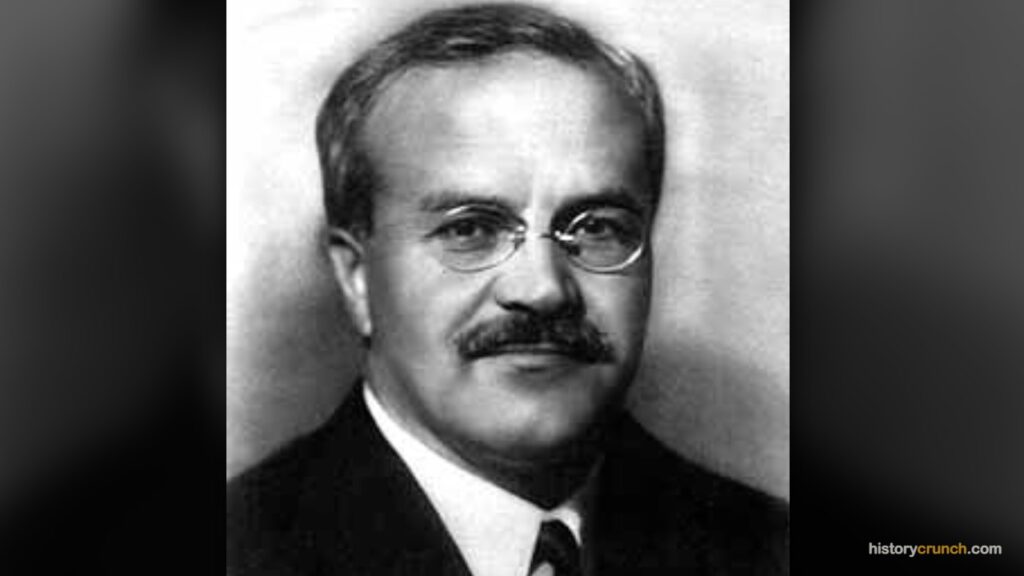 FactsthatCrunchEvidence PhotoFactsthatCrunch
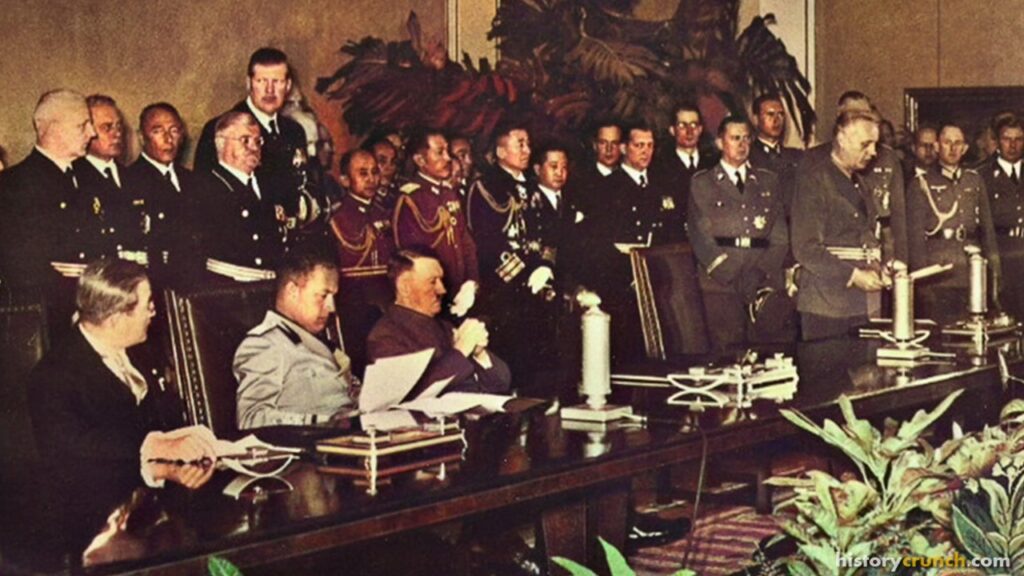
Germany, Italy, and Japan signed three major agreements between 1936 and 1940 that built the Axis alliance.
FactsthatCrunchJapan recognizes and respects the leadership of Germany and Italy in the establishment of a new order in Europe. Germany and Italy recognize and respect the leadership of Japan in the establishment of a new order in Greater East Asia.
Tripartite Pact, Articles 1 and 2 · Berlin · September 27th, 1940
These are the first two articles of the Tripartite Pact, the treaty that formed the Axis alliance of Germany, Italy, and Japan in World War II. Foreign Minister Joachim von Ribbentrop, Foreign Minister Galeazzo Ciano, and Ambassador Saburo Kurusu signed it in Berlin. The two articles split the world into zones, with Germany and Italy leading in Europe and Japan leading in East Asia, and the pact warned the United States to stay out of the war.
 FactsthatCrunch
Who Were the Axis Powers in World War II? Germany, Italy, and Japan Sign the Tripartite Pact in Berlin
On September 27th, 1940, officials from Germany, Italy, and Japan met in Berlin and signed the Tripartite Pact, formally creating the Axis alliance. The three signatories were German Foreign Minister Joachim von Ribbentrop, Italian Foreign Minister Galeazzo Ciano, and Japan's Ambassador to Germany, Saburo Kurusu. The pact promised that each country would give the others full military, political, and economic support if any of them were attacked by a nation not already at war in Europe or in the conflict between Japan and China, a clause aimed squarely at keeping the United States out of the war.
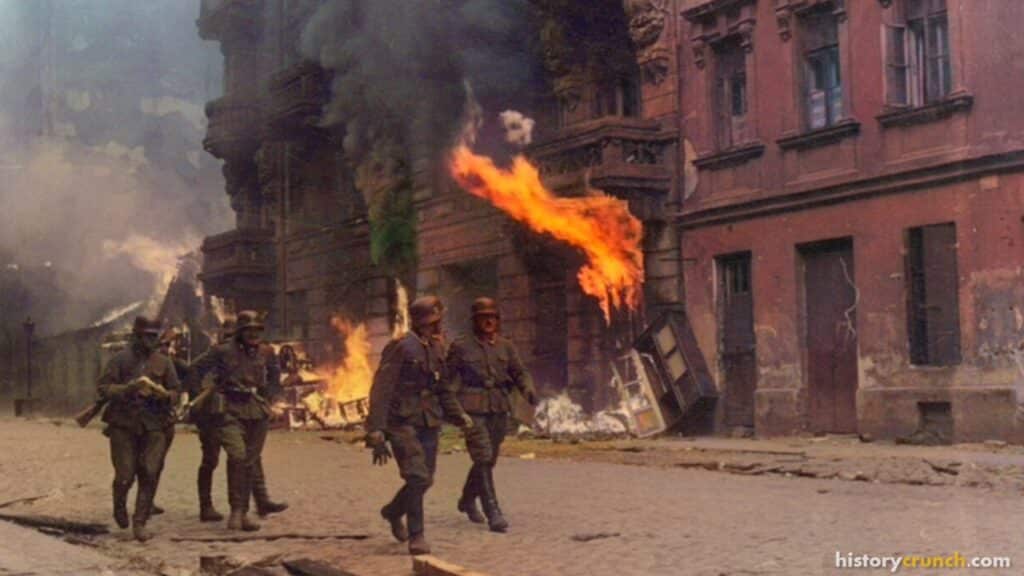
FactsthatCrunchFactsthatCrunchThe Allied Powers were the group of countries that fought together against the Axis nations during World War II. The core members were the United States, the United Kingdom, the Soviet Union, and China, though more than 50 nations eventually joined the alliance. Each member contributed soldiers, supplies, or industrial output toward the shared goal of defeating Germany, Italy, and Japan.
"When the United States entered the war in December 1941, it joined the Allied Powers and helped shift the balance of military strength against the Axis nations."
 FactsthatCrunch
Both agreements centered on the Soviet Union, but in opposite ways. The Anti-Comintern Pact of November 25th, 1936, united Germany and Japan against Soviet-led communism, while the Molotov-Ribbentrop Pact of August 23rd, 1939 had Germany and the Soviet Union agree not to attack each other, directly contradicting the earlier pact's purpose.
When Germany signed the Molotov-Ribbentrop Pact, it effectively suspended the Anti-Comintern Pact's core logic and shocked Japan, which had relied on that earlier alignment to frame its own foreign policy in Asia.
FactsthatCrunchHow did nations respond to the Axis alliance with new pacts, agreements, and defensive moves?
FactsthatCrunchFactsthatCrunchWhat was the secret additional protocol of the Molotov-Ribbentrop Pact, signed by Germany and the Soviet Union in August 1939?
Sources
- Library of Congress
- National Archives
- National WWII Museum
- Smithsonian Institution
- Three-Power Pact, 1940, Foreign Relations of the United States
- UNESCO
- US National Archives