The political systems that clashed in World War II shaped how countries were ruled, how leaders held power, and how ordinary people lived. Some systems gave citizens a voice, while others silenced anyone who disagreed. These fast facts break down what each system was, who led it, and why it mattered in the war. Related: Causes of World War II and Military Tactics & Strategy in World War II.
Communism
The war forced communist governments and capitalist democracies into an uneasy alliance against a shared enemy, even though they deeply distrusted each other. That tension shaped military decisions, supply agreements, and postwar plans in ways that outlasted the fighting itself.
 FactsthatCrunch
What role did communism play as a political system during World War II?
The Soviet Union, led by Joseph Stalin, was the main communist power in World War II. The Soviet Union started the war allied with Nazi Germany, then joined the Allied powers after Germany invaded on June 22nd, 1941. Communist ideology shaped how the Soviet state organized its military, economy, and people to fight a total war.
 FactsthatCrunch
During World War II, the Soviet Union ran its economy and military under state-controlled communism, a system where the government owned all factories, farms, and resources and directed them toward the war effort.
FactsthatCrunchWe lived six to a room, and the factory quota rose every month whether we met it or not. The norm was a wall you could never climb over. If you fell short, the foreman marked you as a saboteur, and that word could send a man to the camps. We learned quickly to say nothing and to clap the loudest when the Party secretary spoke.
Granovsky described daily life under the Soviet system in his memoir 'I Was an NKVD Agent,' published in 1962, drawing on his experiences in the 1930s and 1940s.
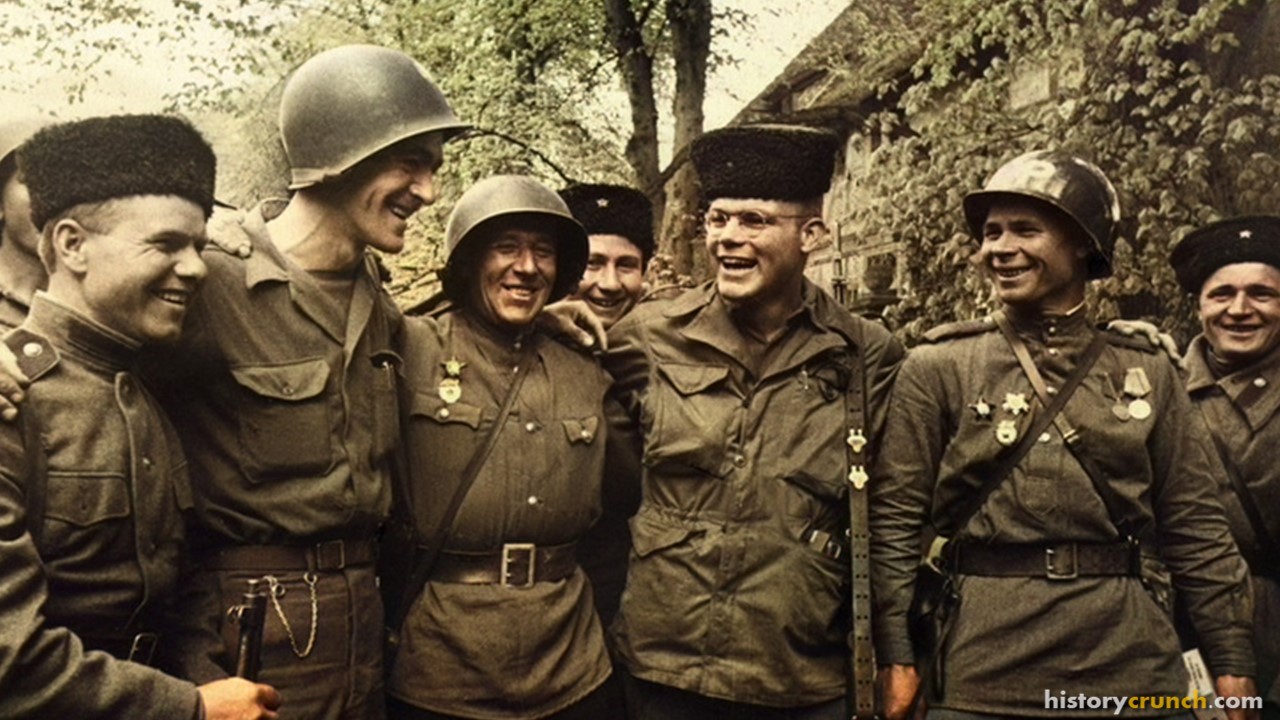
FactsthatCrunchDuring World War II, the Soviet Union and the United States were military allies, even though one was communist and the other was strongly opposed to communism.
The two countries joined forces after Germany invaded the Soviet Union. The United States sent the Soviet Union billions of dollars worth of supplies through a program called Lend-Lease, including food, trucks, and weapons. Their shared goal of defeating Nazi Germany made the alliance work, even though their political systems were very different.
 FactsthatCrunch
Communist states shaped World War II with massive industrial output and enormous human cost.
FactsthatCrunchTotalitarianism is a system of government in which the state holds complete control over nearly every part of public and private life. A single leader or party makes all decisions. Citizens have no real freedom to disagree, organize, or vote against those in power. The government controls the economy, the military, education, and the press.
"Germany under Adolf Hitler and the Soviet Union under Joseph Stalin are two of the most studied examples of totalitarianism during World War II, as both states used secret police, strict censorship, and mass propaganda to keep their populations under firm control."
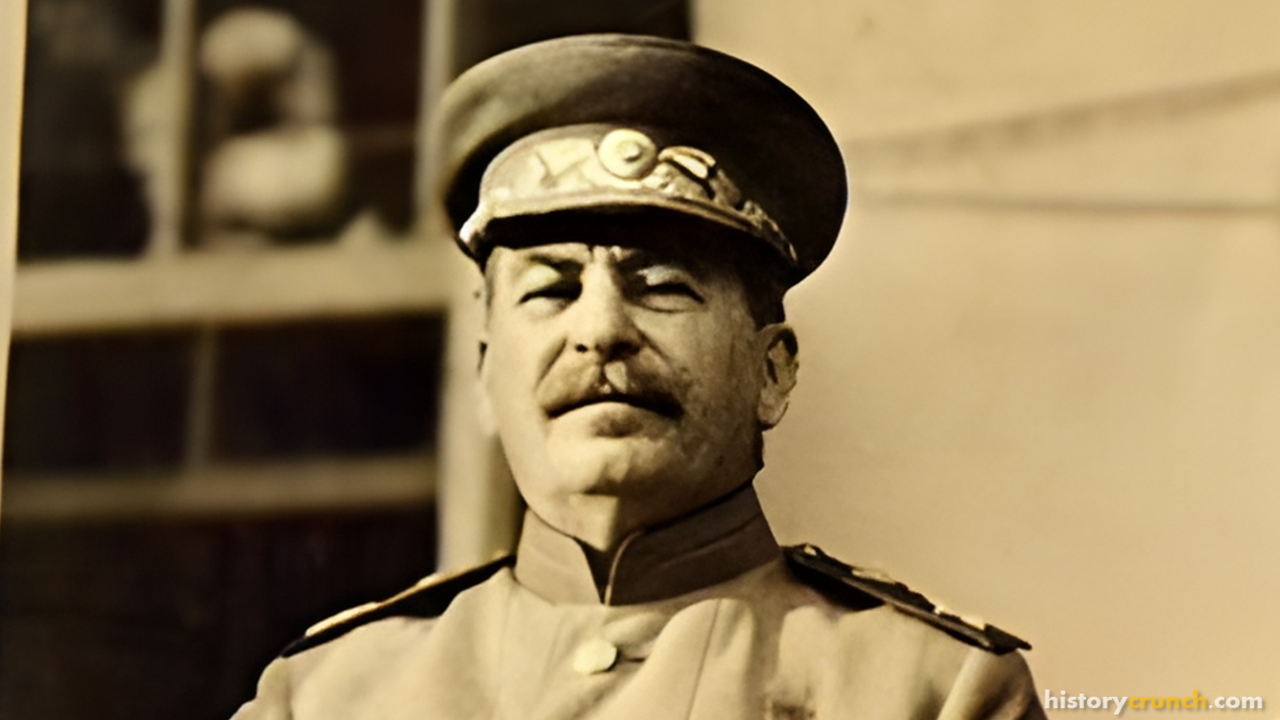
FactsthatCrunchThe enemy is cruel and implacable. He is out to seize our lands watered with our sweat, to seize our grain and oil secured by our labor. He is out to restore the rule of landlords, to restore tsarism, to destroy national culture and the national existence of the peoples of the Soviet Union.
This radio address, delivered less than two weeks after the German invasion began, was the first time Stalin spoke directly to Soviet citizens about the war and was meant to turn a military crisis into a peoples struggle for survival.
 FactsthatCrunch
Dimitrov argued that communists could not fight fascism alone. He pushed for a united front against fascism, meaning Communist parties should join with other left-wing and democratic groups instead of treating them as enemies. He believed fascism was the most dangerous product of capitalism, and that workers across many countries had to stand together to defeat it.
Stalinism
Joseph Stalin ran the Soviet Union through fear, purges, and total control of the state, and that style of rule directly affected how the USSR fought the war. The cards here focus on how Stalin’s grip on power shaped Soviet military strategy and the lives of ordinary soldiers and citizens.
No published cards yet for “Political Systems in World War II”. Cards stay drafts until you publish them in the Card Library.
Fascism
Fascist governments promised national strength and glory, but they built that promise on violence, censorship, and the crushing of political opposition. The cards here show how fascist ideas moved from political theory into real policy across several countries during the war years.
No published cards yet for “Political Systems in World War II”. Cards stay drafts until you publish them in the Card Library.
Dictatorship
Not every authoritarian leader during the war followed the same ideology, but they all concentrated power in a single person and removed the checks that might have slowed or stopped them. That concentration of power made fast, aggressive decisions possible, and it also made catastrophic mistakes harder to correct.
No published cards yet for “Political Systems in World War II”. Cards stay drafts until you publish them in the Card Library.
Nazism
Nazi ideology went far beyond standard dictatorship by making race the center of every government decision, from economic policy to military targeting. The cards here trace how those ideas were turned into laws, orders, and actions that directed the German war effort.
No published cards yet for “Political Systems in World War II”. Cards stay drafts until you publish them in the Card Library.
Democracy
The democratic powers fighting in World War II faced a real tension between protecting civil liberties and doing whatever it took to win a total war. Governments that justified themselves through the consent of the people still made decisions during the war that tested, and sometimes broke, their own stated values.
No published cards yet for “Political Systems in World War II”. Cards stay drafts until you publish them in the Card Library.