Quick facts on the Holocaust: origins, camps, key events, death tolls, and survivor voices, for students and teachers needing fast, reliable reference.
The Holocaust was a state-organized campaign carried out by Nazi Germany that targeted Jewish people and other groups for persecution and mass murder. It involved government policy, law, military action, and a network of camps and ghettos across occupied Europe. These cards cover the key facts, events, and figures, from early Nazi persecution through liberation, in a format built for study and review. For the full picture, see our World War II hub. Related: Causes of World War II and European Theater of World War II.
Origins
Nazi antisemitism did not appear suddenly in 1933. It grew from centuries of discrimination against Jewish people in Europe, and the Nazi Party built on that history by adding race-based laws and government-enforced persecution. Tracing those roots shows how a modern state turned existing prejudice into official policy.
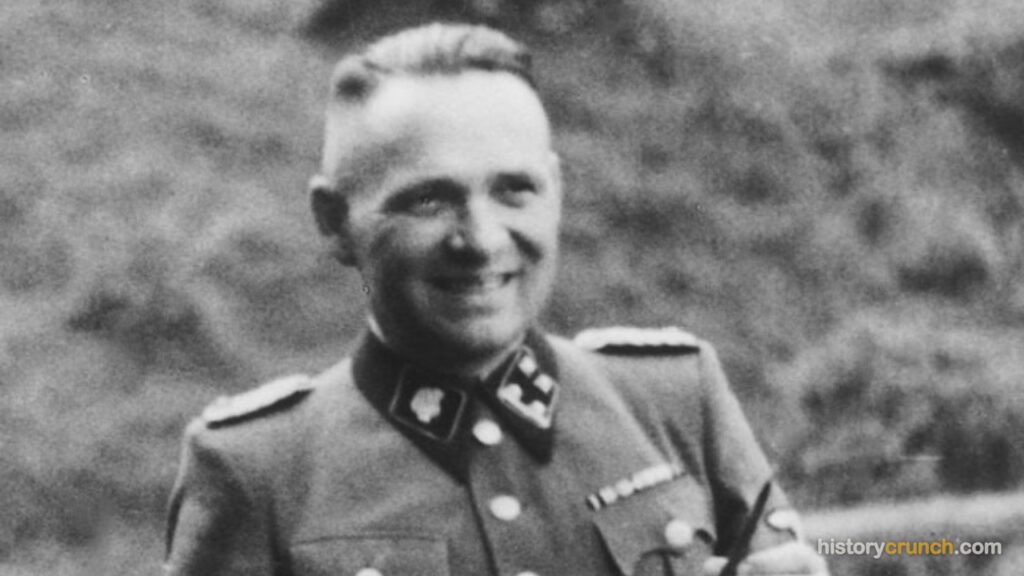
BornMarch 19th, 1906, in Solingen, Rhine Province, Prussia, Germany
DiedJune 1st, 1962, in Ramla, Israel, by execution
RoleSS Lieutenant Colonel; chief organizer of Nazi deportations of Jews to death camps
Tap a heading to open the note.
Early Career
Eichmann joined the Nazi Party in 1932 and the SS in 1933, rising through the ranks to lead the office responsible for Jewish emigration and deportation policy.
Wannsee Conference Role
At the Wannsee Conference on January 20th, 1942, Eichmann took the meeting minutes and was tasked with coordinating the logistics of deporting Jews across occupied Europe to extermination camps.
Hungary Deportations
In 1944, Eichmann personally oversaw the deportation of more than 430,000 Hungarian Jews to Auschwitz in under two months, one of the fastest mass deportations of the Holocaust.
Flight and Hiding
After Germany's defeat in 1945, Eichmann fled Europe using false papers and settled in Buenos Aires, Argentina, under the name Ricardo Klement.
Capture
On May 11th, 1960, Israeli Mossad agents captured Eichmann in a Buenos Aires suburb and brought him secretly to Israel to stand trial.
Trial and Execution
Eichmann's trial in Jerusalem began on April 11th, 1961, and drew global attention; he was found guilty of crimes against humanity and war crimes and was hanged on June 1st, 1962.
Nuremberg Laws = 1935★ prejudice and discriminationlaw made hate officialkey term!
Anti-Semitism
(noun)
Anti-Semitism is prejudice and discrimination against Jewish people based on their religion, ethnicity, or culture. In Nazi Germany, anti-Semitism was written into law through the Nuremberg Laws of 1935, which stripped German Jews of their citizenship and banned marriage between Jews and non-Jews.
in a sentence: Anti-Semitism in 1930s Europe made it very hard for Jewish families to find safety even outside Germany.
From the German 'Judenstern,' meaning 'Jewish star'
The yellow star badge was a required identifying patch that Nazi authorities forced Jewish people to wear on their clothing in public. The badge showed a six-pointed Star of David, often with the word 'Jude' (the German word for 'Jew') printed on it. It was designed to mark and separate Jewish people from the rest of the population so they could be singled out, watched, and treated differently under Nazi law.
"In September 1941, Nazi authorities ordered all Jewish people aged six and older living in Germany to wear a yellow star badge on the left side of their chest whenever they went outside."
Jewish people during the events of the Holocaust. (Colorized by historycrunch.com)
The Nuremberg Laws were two racial laws passed in Nazi Germany on September 15th, 1935, at a Nazi Party rally in Nuremberg. They stripped Jewish people in Germany of their citizenship and made marriage or relationships between Jewish and non-Jewish Germans illegal. The laws used a person's ancestry, not their religion, to define who counted as Jewish, affecting hundreds of thousands of people.
Jewish people during the events of the Holocaust. (Colorized by historycrunch.com)
Of all Hitler's countless utterances, his most notorious was a short passage in a long speech he held in a packed Reichstag in Berlin.
IK
Ian KershawBritish historian known for his biographies of Adolf Hitler, 2006, on the Reichstag speech of January 30th, 1939
Why it matters
Kershaw explains why this speech stands out: the threat to annihilate the Jews is the best-known phrase from Hitler's speeches, and Hitler and his underlings repeatedly cited the prophecy over the following years as planning for the Final Solution intensified.
Wannsee Conference Protocol: Language and Euphemism Assessment
The Wannsee Conference Protocol, dated January 20th, 1942, recorded a meeting of fifteen senior Nazi officials held at a villa in the Berlin suburb of Wannsee. The document was drafted by Reinhard Heydrich, who chaired the meeting, and was circulated afterward to the attending agencies. The protocol used careful bureaucratic language throughout, referring to the mass murder of European Jews as the "Final Solution of the Jewish Question" rather than naming the killing directly. Officials at the meeting discussed the coordination of deportations across occupied Europe, covering a figure of eleven million Jews whom Nazi planners counted as targets. The document was not discovered by Allied investigators until 1947, when a single copy was found among German Foreign Office files.
Tap the black bars to declassify.
Evidence Photo
The euphemistic language was deliberate, designed to obscure the true purpose of the policy from any outsider who read the file.
Evidence Tag
SubjectWannsee Conference Protocol: Language and Euphemism Assessment
BornMarch 7th, 1904, in Halle an der Saale, Saxony, Germany
DiedJune 4th, 1942, in Prague, Protectorate of Bohemia and Moravia
RoleSS General and Chief of the Reich Security Main Office (RSHA)
Tap a heading to open the note.
Early Career
Heydrich was dismissed from the German Navy in 1931 for conduct unbecoming an officer, and he joined the Nazi Party and SS shortly afterward.
RSHA
In 1939 Heydrich became head of the Reich Security Main Office, which combined the Gestapo, the SD, and the Criminal Police under one agency.
Einsatzgruppen
Heydrich organized and directed the Einsatzgruppen, mobile killing squads that murdered hundreds of thousands of Jewish people and others in occupied Soviet territory starting in 1941.
Wannsee Conference
On January 20th, 1942, Heydrich chaired the Wannsee Conference in Berlin, where senior Nazi officials coordinated the plan to murder all Jews in German-controlled Europe.
Acting Reichsprotektor
In September 1941 Hitler appointed Heydrich Acting Reich Protector of Bohemia and Moravia, giving him direct control over the occupied Czech lands.
Assassination
British-trained Czech and Slovak paratroopers attacked Heydrich's open car in Prague on May 27th, 1942; he died of his wounds on June 4th, 1942, making him the highest-ranking Nazi official killed by enemy action during the war.
Wannsee Conference: Jan. 20th, 1942★ murder all Jewish peoplestate-organized mass murderkey term!
FinalSolution
(noun)
The Final Solution was the Nazi German government's deliberate plan to murder all Jewish people in Europe during World War II. Nazi officials organized this plan at the Wannsee Conference on January 20th, 1942, near Berlin.
in a sentence: The Final Solution led to the systematic killing of Jewish people across German-occupied Europe.
The Kindertransport ran for just nine months, yet its precisely documented numbers tell a story of rescue on a scale that private organizations and volunteers made possible.
196
First transport children
Under 17
Age limit for entry
669
Children saved by Nicholas Winton from Czechoslovakia
1,500
Children arranged to the Netherlands by Geertruida Wijsmuller-Meijer
9
Months the program operated
More Than Half
Children who never saw their parents again
The first group of 196 children arrived at Harwich on December 2nd, 1938, just three weeks after Kristallnacht. The program ended when war broke out, with the final transport from the Netherlands leaving on May 14th, 1940, the same day the Dutch army surrendered.
From Greek: 'holos' (whole) + 'kaustos' (burnt); used in English since the 1940s to name this event
The Holocaust was the systematic, state-sponsored murder of six million Jews by the German Nazi government and its collaborators between 1933 and 1945. The Nazi regime also killed millions of others, including Roma, people with disabilities, Soviet civilians, and Polish people. The killings were organized and carried out across occupied Europe through a network of ghettos, forced labor sites, and killing facilities.
"When students study the Holocaust, they learn that the Nuremberg Laws of 1935 were an early step in stripping Jewish people of their citizenship and legal rights in Germany."
Starved prisoners, nearly dead from hunger, pose in Nazi concentration camp in Ebensee, Austria. (Colorized by historycrunch.com)
Genocide is the deliberate killing of a large group of people because of their race, religion, ethnicity, or nationality. During World War II, Nazi Germany carried out the Holocaust, which killed approximately 6 million Jewish people along with hundreds of thousands of Roma, disabled people, and others targeted for who they were.
Genocide is defined as a mass killing of a certain group of people based on their religion, ethnicity or cultural background.
First they came for the Socialists, and I did not speak out,
Because I was not a Socialist.
Then they came for the Trade Unionists, and I did not speak out,
Because I was not a Trade Unionist.
Then they came for the Jews, and I did not speak out,
Because I was not a Jew.
Then they came for me, and there was no one left to speak for me.
MN
Martin NiemollerGerman Lutheran pastor and Confessing Church leader who was interned in the Sachsenhausen and Dachau concentration camps from 1938 to 1945, 1946, postwar lectures in Germany
Why it matters
Niemoller spoke as a firsthand witness to Nazi persecution, a pastor arrested on the 1st of July, 1937, who first delivered versions of the confession in lectures across Germany in 1946, and his words have been part of the permanent exhibition at the United States Holocaust Memorial Museum since it opened in 1993.
Nuremberg Laws: Racial Classification and Citizenship Provisions, September 1935
The Nuremberg Laws were announced at the Nazi Party rally in Nuremberg on September 15th, 1935, and signed into law the same day by Reich Chancellor Adolf Hitler. The first law, called the Reich Citizenship Law, stripped Jewish Germans of their citizenship and reduced them to the status of 'subjects.' The second law, called the Law for the Protection of German Blood and German Honor, banned marriages and sexual relations between Jews and non-Jewish Germans. A supplementary decree issued on November 14th, 1935 defined who counted as Jewish by ancestry, dividing people into categories including 'full Jews,' 'half-breeds of the first degree,' and 'half-breeds of the second degree.' These laws affected an estimated 500,000 Jews living in Germany at the time and became the legal foundation for further persecution.
Tap the black bars to declassify.
Evidence Photo
Racial laws like these show how discrimination was built into official government policy before the war began.
Evidence Tag
SubjectNuremberg Laws: Racial Classification and Citizenship Provisions, September 1935
BornOctober 7th, 1900, in Munich, Bavaria, Germany
DiedMay 23rd, 1945, in Lueneburg, Germany
RoleHead of the SS and chief of the German police under the Nazi regime
Tap a heading to open the note.
Early Life
Himmler studied agronomy at the Technical University of Munich and received his degree in 1922, though he never worked as a farmer.
Joining the Nazi Party
He became a member of the Nazi Party in 1923 and took part in Adolf Hitler's failed Beer Hall Putsch in Munich that same year.
Leading the SS
Hitler appointed Himmler head of the SS in January 1929, when the force had fewer than 300 members; Himmler grew it into an organization of hundreds of thousands.
Architect of the Holocaust
As head of the SS, Himmler oversaw the construction and operation of the concentration and extermination camp network, including Auschwitz, Treblinka, and Sobibor.
Late War Power
By 1944, Himmler held control over the SS, the Gestapo, and the German police, making him one of the most powerful figures in Nazi Germany after Hitler.
Capture and Death
British soldiers captured Himmler near Lueneburg on May 21st, 1945, while he was disguised as a common soldier; he died two days later after biting a cyanide capsule hidden in his mouth.
synagogues burned or destroyed during Kristallnacht, November 9th to 10th, 1938
On the night of November 9th, 1938, Nazi groups attacked Jewish communities across Germany, Austria, and the Sudetenland, burning and wrecking more than 1,400 synagogues. About 30,000 Jewish men were arrested in the days that followed and sent to concentration camps.
First they came for the Communists, and I did not speak out, because I was not a Communist. Then they came for the trade unionists, and I did not speak out, because I was not a trade unionist. Then they came for the Jews, and I did not speak out, because I was not a Jew. Then they came for me, and there was no one left to speak for me.
Martin Niemoeller
German pastor and concentration camp survivor
Niemoeller at first supported the Nazis, then turned against them and spent seven years in the Sachsenhausen and Dachau camps. After the war he used these words to admit that Germans like him stayed silent while the Nazis persecuted one group after another, a warning about the cost of doing nothing.
The Gestapo, short for Geheime Staatspolizei, was the secret state police of Nazi Germany, established in April 1933 under Hermann Goering in Prussia before Heinrich Himmler took control of it nationwide in 1934. It had the power to arrest, imprison, and torture people without a court order, and it relied heavily on ordinary citizens who reported their neighbors, coworkers, and family members to agents.
British troops line up on the beach at Dunkirk in 1940 to await evacuation. (Colorized by historycrunch.com)
At 3 A.M. November 10, 1938 was unleashed a barrage of Nazi ferocity as had had no equal hitherto in Germany, or very likely anywhere else in the world. ... In one of the Jewish sections an eighteen-year-old boy was hurled from a three-story window to land with both legs broken on a street littered with burning beds. The main streets of the city were a positive litter of shattered plate glass. All of the synagogues were irreparably gutted by flames.
DHDavid H. Buffum, United States consul in Leipzig, Germany
Context
Buffum wrote this official report from the US consulate in Leipzig in the days after the pogrom of November 9th to 10th, 1938, and it was later entered as evidence at the Nuremberg trials.
April 1st, 1933 — Boycott Begins The Nazi government organized a one-day boycott of Jewish-owned businesses across Germany. SA soldiers stood outside shops to stop customers from entering.
September 15th, 1935 — Nuremberg Laws The Reich Citizenship Law stripped Jewish people of German citizenship. A second law banned marriage between Jews and non-Jewish Germans.
November 9th, 1938 — Kristallnacht Nazi stormtroopers and civilians attacked Jewish synagogues, homes, and businesses across Germany and Austria in a single night. About 30,000 Jewish men were arrested and sent to concentration camps.
September 21st, 1939 — Ghettos Ordered Reinhard Heydrich issued orders to concentrate Polish Jews into sealed urban ghettos. The Warsaw Ghetto, established in 1940, eventually held over 400,000 people in crowded conditions.
January 20th, 1942 — Wannsee Conference Senior Nazi officials met at a villa in Wannsee, near Berlin, to coordinate the systematic murder of all Jews in Europe. Heydrich chaired the meeting, which covered plans affecting an estimated 11 million people.
March 17th, 1942 — Operation Reinhard Begins The Nazis opened Belzec extermination camp in occupied Poland, the first site built specifically to kill Jews on a large scale under Operation Reinhard. Sobibor and Treblinka camps followed within months.
August 1942 — Treblinka at Peak Treblinka extermination camp in occupied Poland reached its highest killing rate, with thousands of people murdered each day. Treblinka killed an estimated 700,000 to 900,000 people total between July 1942 and August 1943.
April 1st, 1933 — Boycott BeginsThe Nazi government organized a one-day boycott of Jewish-owned businesses across Germany. SA soldiers stood outside shops to stop customers from entering.
September 15th, 1935 — Nuremberg LawsThe Reich Citizenship Law stripped Jewish people of German citizenship. A second law banned marriage between Jews and non-Jewish Germans.
November 9th, 1938 — KristallnachtNazi stormtroopers and civilians attacked Jewish synagogues, homes, and businesses across Germany and Austria in a single night. About 30,000 Jewish men were arrested and sent to concentration camps.
September 21st, 1939 — Ghettos OrderedReinhard Heydrich issued orders to concentrate Polish Jews into sealed urban ghettos. The Warsaw Ghetto, established in 1940, eventually held over 400,000 people in crowded conditions.
January 20th, 1942 — Wannsee ConferenceSenior Nazi officials met at a villa in Wannsee, near Berlin, to coordinate the systematic murder of all Jews in Europe. Heydrich chaired the meeting, which covered plans affecting an estimated 11 million people.
March 17th, 1942 — Operation Reinhard BeginsThe Nazis opened Belzec extermination camp in occupied Poland, the first site built specifically to kill Jews on a large scale under Operation Reinhard. Sobibor and Treblinka camps followed within months.
August 1942 — Treblinka at PeakTreblinka extermination camp in occupied Poland reached its highest killing rate, with thousands of people murdered each day. Treblinka killed an estimated 700,000 to 900,000 people total between July 1942 and August 1943.
Kristallnacht was a coordinated wave of antisemitic violence carried out across Germany and Austria on the nights of November 9th and 10th, 1938. Nazi stormtroopers and civilians destroyed around 7,500 Jewish-owned businesses, burned more than 1,400 synagogues, and killed at least 91 Jewish people. The name means 'Night of Broken Glass' in German, referring to the shattered shop windows that covered city streets.
in a sentence: After Kristallnacht, roughly 30,000 Jewish men were arrested and sent to concentration camps.
Hitler rose from a failed art student and World War I corporal to become the dictator of Germany, leading the country into World War II and directing the Holocaust. His decisions as supreme military commander, including the invasion of the Soviet Union in June 1941 and the declaration of war on the United States in December 1941, shaped the course of the entire conflict.
Nazi GermanyWorld War II CommanderHolocaust ArchitectThird Reich
Adolf Hitler in 1938. (Colorized by historycrunch.com)
Both events happened in the same decade of Nazi rule and together show how the Nazi regime moved from legal persecution to open state violence against Jewish people in Germany.
The Nuremberg Laws, announced on September 15th, 1935, stripped Jewish people of German citizenship and banned marriage between Jews and non-Jews; three years later, on November 9th and 10th, 1938, Nazi-organized mobs destroyed thousands of Jewish businesses and synagogues and killed nearly 100 Jewish people during Kristallnacht, showing that racial laws had paved the way for physical violence.
Collapsed roof and open sky The dome and upper walls have gaping holes where the roof was destroyed. This shows the intensity of the attack: the building's heavy stone vaulting could not survive the fire and physical destruction inflicted during Kristallnacht on the 9th of November, 1938, when Nazi mobs burned synagogues across Germany and Austria.
Rubble-covered floor The entire floor is buried under broken timber, plaster, and stone debris. This tells us the destruction was total on the inside, not just cosmetic damage to the outside. Rioters and Nazi stormtroopers smashed the interior completely, making the building unusable and signaling to Jewish communities that their institutions were targeted for elimination.
Arched colonnades still standing The rows of stone arches and columns on both sides of the main hall remain upright even though everything above and around them is ruined. Their survival shows the synagogue was once a large, well-built, formal place of worship, which makes the deliberate scale of the destruction more visible by contrast.
Damaged upper gallery The curved gallery level at the far end of the hall has partly collapsed, with sections of its decorative stonework broken away. Upper galleries in synagogues of this era were typically reserved for women during services, so their destruction points to the complete erasure of a functioning religious community's space.
A burned synagogue in Berlin after the events of Kristallnacht (Night of the Broken Glass). (Colorized by historycrunch.com)
Hitler Appointed Chancellor of Germany, January 30th, 1933
What Happened
On January 30th, 1933, German President Paul von Hindenburg appointed Adolf Hitler as Chancellor of Germany, placing the Nazi Party at the head of the national government for the first time.
Before
Nazi Party held seats in parliament but had no control over the German government
After
Nazis used government power to pass anti-Jewish laws, build the SS, and begin the persecution that led directly to the Holocaust
World War II grew out of several causes that built on each other during the 1930s. The Great Depression left millions of people without jobs across Europe and pushed voters in Germany toward Adolf Hitler, who became chancellor on January 30th, 1933, and quickly moved to dismantle democratic government and rearm the country in violation of the Treaty of Versailles.
In the Origins of the Holocaust during World War II, did each of these events happen before or after the Wannsee Conference of January 20th, 1942?
Read the item in the dashed box, then tap the column where it belongs.
SORT THIS ITEM1 / 7
Deportations to Treblinka begin
Yellow Star badge required in Germany
Kristallnacht
Nuremberg Laws passed
Hitler becomes Chancellor
Deportations to Treblinka begin
Nuremberg Trials open
Operation Reinhard killings expand
Sort all 7 to see your score
Deportations to Treblinka beginYellow Star badge required in GermanyKristallnachtNuremberg Trials openNuremberg Laws passedOperation Reinhard killings expandHitler becomes Chancellor
ExplanationThe Wannsee Conference on January 20th, 1942 was a meeting of senior Nazi officials who coordinated the systematic murder of European Jews, building on years of earlier persecution laws and violence.
The Nazi camp system was not one uniform thing. It included transit camps, forced labor camps, concentration camps, and extermination camps, each built for a different purpose within the overall machinery of persecution. Knowing the distinctions matters because the camps served different functions at different stages of Nazi policy.
BornMarch 16th, 1911, in Guenzburg, Bavaria, Germany
DiedFebruary 7th, 1979, in Bertioga, Sao Paulo, Brazil, from a stroke while swimming
RoleSS physician at Auschwitz-Birkenau concentration camp
Tap a heading to open the note.
Arrival at Auschwitz
Mengele arrived at Auschwitz-Birkenau in May 1943 and served as a camp physician there until the camp was evacuated in January 1945.
Selection Duty
Mengele took part in selections on the arrival ramp at Auschwitz, where he directed prisoners either to forced labor or directly to the gas chambers.
Experiments on Prisoners
Mengele conducted harmful medical experiments on prisoners, with a particular focus on twins and people with physical differences, causing severe suffering and death.
Postwar Escape
After the war ended, Mengele fled to South America using false papers, living in Argentina, Paraguay, and eventually Brazil under assumed names.
Wanted War Criminal
West Germany issued an arrest warrant for Mengele in 1959, and he was later indicted at the Frankfurt Auschwitz trials in 1963, but he was never captured.
Death in Brazil
Mengele drowned after suffering a stroke while swimming near Bertioga, Brazil, on February 7th, 1979, and was buried under a false name; his identity was confirmed by forensic testing in 1985.
A ghetto was a confined area of a city where Nazi Germany and its occupied governments forced Jewish people to live, separated from the rest of the population. Residents faced severe food shortages, overcrowding, and brutal living conditions. The Warsaw Ghetto, established in October 1940 in German-occupied Poland, held more than 400,000 Jewish people at its peak and became the largest ghetto in Nazi-controlled Europe.
Explosion following the impact of the Kamikaze aircraft against the USS St. Lo, which sank from the attack. (Colorized by historycrunch.com)
Nazi Camps and Ghettos Across Europe: More Than 44,000 Sites, a Number Larger Than All McDonald's Restaurants in the World
Nazi camps and ghettos in Europe
44,000McDonald's restaurants worldwide
40,000U.S. post offices
31,000U.S. public libraries
17,000
Researchers at the United States Holocaust Memorial Museum documented more than 44,000 Nazi camps and ghettos operating across Europe between 1933 and 1945. The network included concentration camps, forced labor sites, transit camps, ghettos, and killing centers spread from France to Russia. The total is far larger than most people expect, and it shows how deeply the system of persecution was built into everyday life across occupied Europe.
The Einsatzgruppen were mobile SS killing units that shot victims at close range in fields and ravines; their operations between 1941 and 1943 killed roughly 700,000 Jews in the Soviet Union by the end of 1941 alone. The six dedicated death camps, including Auschwitz-Birkenau and Treblinka, used poison gas in sealed chambers and could kill thousands of people in a single day through an industrialized, fixed-site process.
Auschwitz was not one camp but a network of 45 sub-camps, and the largest sub-camp, Auschwitz III-Monowitz, was built and partly funded by the German chemical company IG Farben to supply forced labor for its synthetic rubber plant.
IG Farben signed agreements with the SS to use prisoners as workers at Monowitz, paying the SS a daily fee per prisoner. After the war, 24 IG Farben executives were tried at Nuremberg in 1947 and 1948, and 13 were convicted for using slave labor at the camp.
6 camps, all in Poland★ Nazi GermanyNot the same as a labor campkey term!
ExterminationCamp
(noun)
An extermination camp was a facility built by Nazi Germany during World War II with the specific purpose of killing prisoners on arrival rather than holding them for labor. Six such camps operated in occupied Poland, including Auschwitz-Birkenau, Treblinka, and Sobibor, and together they were the main sites where the Nazis carried out the systematic murder of Jewish people and others.
in a sentence: Treblinka, an extermination camp in Poland, began operation in July 1942 and killed approximately 900,000 people.
Held prisoners for forced labor, punishment, and detention.
Operated across Germany and occupied Europe, with the first camp at Dachau opening in March 1933.
Prisoners included political opponents, Jewish people, Roma, gay men, and others the Nazis targeted.
Death was common due to overwork, starvation, and violence, but killing all prisoners was not always the stated goal.
Death Camps
Built specifically to kill prisoners as quickly as possible using gas chambers.
All six main death camps were located in occupied Poland, including Treblinka, Sobibor, and Belzec.
Operated mainly between 1942 and 1945 as part of the Nazi plan known as the Final Solution.
Most people sent to death camps were killed within hours of arrival, with no registration or work assignment.
VS
Concentration camps were detention and labor sites where many prisoners died from brutal conditions. Death camps were purpose-built killing centers designed to murder people, especially Jewish people, on arrival and at a massive scale.
from Latin 'concentrare,' meaning to bring to a central point
A concentration camp is a place where a government holds large numbers of people as prisoners without normal legal trials or rights. The prisoners are usually targeted because of their race, religion, political beliefs, or nationality. Guards keep prisoners confined by force, and conditions are typically harsh, with overcrowding, little food, and forced labor.
"After Germany invaded Poland in 1939, the Nazi government expanded its network of concentration camps across occupied Europe, holding Jews, Roma, political opponents, and others in brutal conditions."
Płaszów concentration camp in 1942. (Colorized by historycrunch.com)
The SS, short for Schutzstaffel, meaning 'Protection Squadron,' was a powerful Nazi Party organization that began in 1925 as a small personal bodyguard for Adolf Hitler and grew into a massive force of nearly 900,000 members by 1944. The SS ran the concentration camps, carried out mass killings, and operated its own military units called the Waffen-SS, making it responsible for many of the worst crimes of World War II.
American soldiers in November of 1942 during Operation Torch in World War II. (Colorized by historycrunch.com)
In May 1940, SS chief Heinrich Himmler ordered the construction of a concentration camp at Auschwitz, converting a former Polish army barracks in occupied Poland into a detention site for political prisoners.
Soviet and Polish prisoners arrived at Auschwitz as early as June 14th, 1940, making it an active camp within weeks of Himmler's order.
In October 1941, the SS began construction of Auschwitz II-Birkenau roughly 2 miles (3 kilometers) from the original site, transforming the complex into a mass killing center with gas chambers and crematoria.
By 1942, Auschwitz-Birkenau was integrated into Operation Reinhard, the Nazi program to murder the Jewish population of occupied Europe, and deportation trains began arriving from across the continent.
Auschwitz became the largest single site of killing in the Holocaust, with approximately 1.1 million people, the great majority of them Jewish, murdered there by the end of the war in 1945.
Postwar testimony and physical evidence gathered at Auschwitz provided critical documentation at the Nuremberg trials and shaped international definitions of genocide and crimes against humanity.
In orderHow did Jews and other victims move through the Nazi persecution system during World War II?
Follow the chain from top to bottom. Tap any step to read what happened.
▼
▼
▼
▼
▼
Arrest and RegistrationNazi authorities arrested Jews, Roma, political opponents, people with disabilities, and others they targeted. Police and SS units recorded names, confiscated property, and forced victims to wear identifying badges or carry papers that marked their status.
Confinement in GhettosIn occupied Poland and the Soviet Union, Nazis forced Jewish communities into sealed urban ghettos. The Warsaw Ghetto, established in October 1940, held more than 400,000 people in a small area with very little food or medicine. Disease and starvation killed tens of thousands before deportations began.
Forced Labor CampsSome prisoners were sent directly to labor camps, where they worked in mines, factories, and construction sites under brutal conditions. The SS ran these camps and supplied prisoner labor to German companies. Workers who became too weak to continue were killed or transferred.
Concentration CampsConcentration camps such as Dachau, Buchenwald, and Bergen-Belsen held political prisoners, Jews, and others in crowded and violent conditions. Guards subjected prisoners to forced labor, starvation, and medical experiments. The camp network grew to several hundred sites across German-controlled Europe.
Transport to Killing CentersBeginning in 1942, SS and police units organized mass deportations by rail to six dedicated killing centers in occupied Poland, including Treblinka, Sobibor, and Belzec. Victims traveled in sealed freight cars, often for days without food or water. Most were killed within hours of arrival using poison gas.
AnnihilationAt Auschwitz-Birkenau and the other killing centers, victims who were not selected for forced labor were taken directly to gas chambers. Bodies were cremated and personal belongings were sorted and sent back to Germany. By 1945, approximately six million Jews and millions of others had been killed across the Nazi system.
The Nazi camp system included several distinct types: concentration camps held political prisoners and forced laborers, extermination camps were built solely to kill people on arrival, and prisoner-of-war camps held captured soldiers under military rules. The largest extermination camp, Auschwitz-Birkenau in occupied Poland, combined both functions and was where approximately 1.1 million people were killed.
Barbed wire double fences at Auschwitz. (Colorized by historycrunch.com)
In this colorized photograph of the barbed wire double fences at Auschwitz, what does the design of the perimeter most strongly suggest about how the camp was organized to prevent escape?
Tap an option.
ExplanationAuschwitz used electrified double barbed wire fences with a dead zone between them. The visible parallel rows of wire strung on closely spaced posts left no safe path between the barriers. Any prisoner who reached the inner fence faced electrocution, and anyone who cleared it still faced the outer fence and open ground visible to guard towers. This layered design was standard at Nazi concentration and death camps, where physical containment supported the camp system's goal of holding prisoners with no possibility of escape.
Transit camps in the Holocaust, such as Westerbork in the Netherlands, were permanent detention centers where prisoners stayed for years before being freed.
Tap an option.
ExplanationTransit camps were temporary holding sites where Jewish people and others were gathered before being deported to killing centers or concentration camps further east. Westerbork, for example, served as the main transit camp from which Dutch Jews were deported to Auschwitz and Sobibor. Stays there were usually short, measured in days or weeks, not years.
Before the death camps were operating at full scale, mobile killing units carried out mass shootings across Eastern Europe. These units followed the German army into occupied territories and killed hundreds of thousands of people in open-air sites, often with local populations nearby. Their operations show that industrialized facilities were not the only method of genocide the Nazi regime used.
The Jäger Report recorded that Einsatzkommando 3 killed 137,346 people in just 147 days, from July 2nd to November 25th, 1941, averaging roughly 934 killings per day.
Karl Jaeger, commander of Einsatzkommando 3, kept a ledger-style tally of massacres across Lithuania, listing dates, locations, and victim counts in precise columns. The report showed how the Nazi regime treated mass murder as a measurable output, tracked and submitted to Berlin like a production record. The original photostats of the Einsatzgruppen Operational Situation Reports are held at the National Archives in Washington, D.C.
Einsatzgruppen were mobile SS and police units that followed the German army into the Soviet Union and Eastern Europe after June 1941, shooting Jewish people, Roma, and others in mass executions at sites such as Babi Yar, where they killed more than 33,000 people over two days in September 1941. By 1943, these units had killed an estimated 1.5 million people, making them a central tool of the Nazi campaign of mass murder before the gas chambers of the death camps took over as the main method.
Image of the Mushroom cloud of the 'Gadget' during the Trinity Test. (July 16th, 1945)
When Germany launched Operation Barbarossa on June 22nd, 1941, Nazi leadership ordered the creation of mobile killing units called Einsatzgruppen to follow the army into Soviet territory and carry out mass killings of Jewish people, Soviet officials, and others the regime considered enemies.
Effects
Four Einsatzgruppen units, labeled A through D, were deployed across different sectors of the Soviet front, each assigned to operate behind German army lines.
The Einsatzgruppen carried out mass shootings at sites across occupied Soviet territory, including the Babi Yar ravine near Kyiv, where approximately 33,771 Jewish people were killed on September 29th and 30th, 1941.
By the end of 1941, the Einsatzgruppen had killed an estimated 500,000 people, making their operations a central part of the Nazi genocide.
The scale of the killings in the Soviet Union pushed Nazi planners to develop more systematic methods of mass murder, which contributed directly to decisions formalized at the Wannsee Conference in early 1942.
The Nazi invasion of the Soviet Union gave the regime the geographic reach and military cover to begin large-scale killings on an unprecedented scale. The Einsatzgruppen, made up of SS and police personnel, operated under orders that treated the invasion as both a military campaign and an ideological war of annihilation.
How an Einsatzgruppen Killing Operation Began on the Eastern Front
1
Germany invaded the Soviet Union on June 22nd, 1941, and Einsatzgruppen units followed directly behind the advancing army into occupied Soviet territory.
2
Local commanders identified the Jewish population of a newly captured town or village, often using informants or forced registration, and ordered all Jewish residents to report to a set location.
3
Soviet secret police records, local administrative lists, or door-to-door searches helped Einsatzgruppen compile names and locate people who had not reported voluntarily.
4
Victims were told they were being resettled or moved for work, a deliberate deception used to prevent resistance and keep the operation organized.
5
Once assembled, victims were marched or transported under armed guard to a site outside the town, such as a ravine, forest clearing, or anti-tank ditch, where the killing would take place.
The Einsatzgruppen were mobile killing units that operated in German-occupied Soviet territory from the summer of 1941. Their operations began with a structured process of identification and assembly that relied on deception to minimize resistance before victims reached the killing site.
The Einsatzgruppen were mobile SS killing units that followed German forces into the Soviet Union after June 1941 and shot Jewish men, women, and children in mass executions at sites like Babi Yar, where about 33,771 people were killed over two days in late September 1941. By the end of 1941, the Einsatzgruppen had killed more than 500,000 people.
What was the primary method used by the Einsatzgruppen to kill Jewish people and others on the Eastern Front?
Tap an option.
ExplanationThe Einsatzgruppen were mobile SS killing squads that followed German forces into Soviet territory after June 1941. Their main method was rounding up victims and shooting them in large groups at sites like Babi Yar near Kyiv, where about 33,771 Jewish people were killed in two days at the end of September 1941. Gas vans were used by some units but were secondary to mass shooting.
In April of 1943, Jewish residents of the Warsaw Ghetto chose armed resistance against Nazi forces ordered to liquidate the ghetto. They were vastly outnumbered and had almost no weapons, yet the uprising lasted nearly a month. The event is significant because it stands as a direct act of organized defiance under conditions designed to make resistance impossible.
At its peak in 1941, the Warsaw Ghetto held about 460,000 people in just 1.3 square miles (3.4 sq km), a density roughly five times that of modern Manhattan.
Warsaw Ghetto (1941)
354,000 per sq miManhattan, New York
70,000 per sq miModern Warsaw
18,000 per sq miChicago
12,000 per sq mi
German authorities sealed about 460,000 Jewish people inside a walled area covering just 1.3 square miles (3.4 sq km), which was only 2.4 percent of Warsaw's total area. On average, seven to nine people shared a single room. Extreme crowding, starvation rations, and lack of medicine killed tens of thousands before deportations to death camps began in 1942.
There was a great rejoicing amongst us, the Jewish fighters. And behold the miracle: the great German heroes withdrew in tremendous panic in the face of the handmade Jewish hand-grenades and bombs. And we noticed, one hour later, how a German officer was spurring the soldiers on to go to battle, to go out and bring in the wounded, and not one of them moved and they abandoned their wounded men whose weapons we subsequently collected.
ZLZivia Lubetkin, Jewish Combat Organization (ZOB) fighter and underground leader in the Warsaw Ghetto
Context
Lubetkin gave this sworn testimony at the trial of Adolf Eichmann in Jerusalem in 1961, describing the first day of the Warsaw Ghetto Uprising, April 19th, 1943, when German troops pulled back under fire from the Jewish fighters.
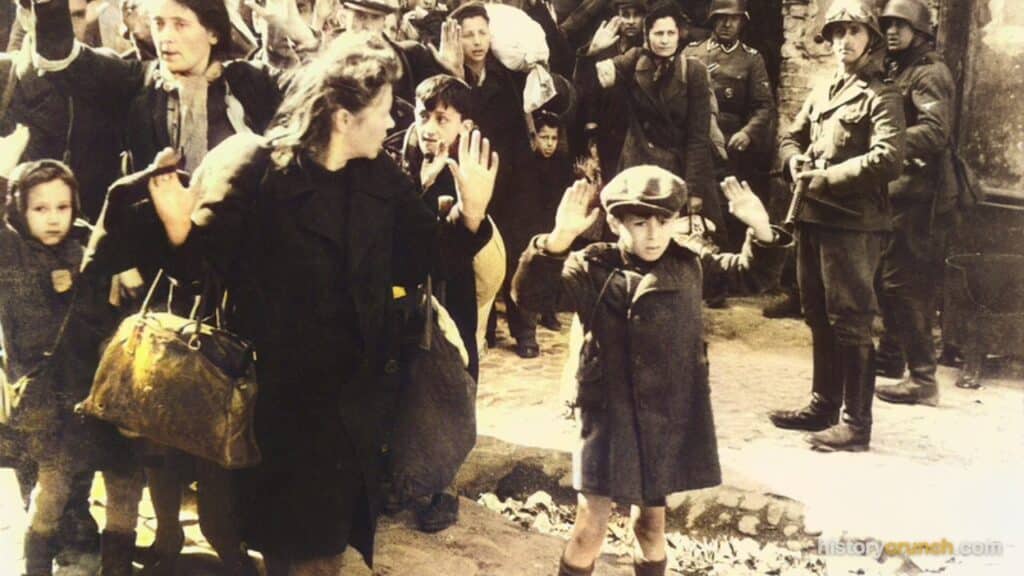
Warsaw Ghetto Roundup, World War II, 1943: Civilians Forced Out at Gunpoint
Look closely
A young boy in a cap and long coat stands at the front of the crowd with both hands raised above his head.
Behind him, women and older children also hold their hands up while armed German SS soldiers stand to the right with weapons ready.
Several people carry bags and bundles, suggesting they were pulled from their homes with little warning.
The context
By April 1943, German forces had already deported the large majority of Warsaw Ghetto residents to the Treblinka extermination camp.
On April 19th, 1943, SS commander Juergen Stroop launched a major operation to clear the remaining roughly 50,000 residents.
Soldiers moved block by block, forcing civilians out of hiding places, bunkers, and buildings.
What it tells us
The image became one of the most reproduced photographs documenting Nazi persecution of Jewish civilians during the Holocaust.
The child with raised hands came to represent the treatment of the most vulnerable during the German occupation of Poland.
Stroop himself included this photograph in a bound report he sent to Heinrich Himmler, which meant the perpetrators deliberately preserved it as a record of their own actions.
Before the Warsaw Ghetto Uprising began on April 19th, 1943, the ghetto held roughly 400,000 Jewish people crowded into about 1.3 square miles (3.4 square kilometers) of the city. German authorities had already deported around 300,000 residents to the Treblinka extermination camp between July and September 1942. A small group of fighters organized the Jewish Combat Organization, known by its Polish initials ZOB, and prepared to resist the final deportations with smuggled pistols, grenades, and homemade weapons.
Now
The area where the ghetto stood is now a residential and commercial neighborhood in Warsaw, Poland. The POLIN Museum of the History of Polish Jews opened there on October 28th, 2014, built on the ground where the ghetto once stood. The museum preserves documents, photographs, and personal accounts from survivors, and the site remains a place of education and remembrance for visitors from around the world.
The uprising is remembered today as a symbol of resistance against overwhelming force, and the POLIN Museum keeps that history accessible to new generations of students and visitors.
The Warsaw Ghetto Uprising lasted 27 days, far longer than the Germans had planned, and left behind numbers that show just how hard the fighters held on.
3 Days
Duration the Germans planned
27 Days
Actual length of the uprising
About 750
Jewish fighters in the ZOB and ZZW
About 2,000
German troops sent into the ghetto
At Least 7,000
Jews killed during the fighting
631
Bunkers located by German forces
The uprising began on April 19th, 1943, when SS forces entered the Warsaw Ghetto to complete its liquidation in three days. Jewish fighters under 24-year-old commander Mordecai Anielewicz held out until May 16th, 1943, when SS General Juergen Stroop declared the ghetto destroyed.
The Warsaw Ghetto Uprising, which began on April 19th, 1943, proved that Jewish armed resistance against Nazi genocide was possible, changing how survivors, scholars, and later generations understood the Holocaust.
The uprising lasted roughly four weeks, far longer than Nazi commanders had expected, showing that a small, poorly armed group could slow a modern military force inside the ghetto walls.
The fighters, organized mainly through the Jewish Combat Organization under commander Mordecai Anielewicz, chose to resist with around 700 to 750 fighters against SS and police units that numbered several thousand, accepting likely death over passive deportation to the Treblinka killing center.
The uprising directly challenged the idea that Jewish people did not resist Nazi persecution. Historians and educators point to it as clear evidence that resistance did occur, which has shaped Holocaust education and memory ever since.
The event influenced later armed resistance in other ghettos and in Jewish partisan groups across occupied Europe, and it became a central reference point for the state of Israel after its founding in 1948.
Jewish fighters inside the Warsaw Ghetto held off German SS troops for nearly four weeks in the spring of 1943, armed with only a small number of pistols, rifles, and homemade bombs. The uprising was led in large part by Mordecai Anielewicz, who was 24 years old at the time.
German SS soldiers force Jewish civilians, including children, to raise their hands during a roundup in the Warsaw Ghetto in occupied Poland in 1943.
In this photograph of the Warsaw Ghetto roundup in 1943, armed SS soldiers stand on one side while civilians of all ages, including small children, stand on the other with their hands raised. What does this arrangement reveal about how the Nazi regime carried out the Final Solution?
Tap an option.
ExplanationThe image shows heavily armed SS troops facing a group that includes small children and women carrying bags, none of whom pose any military threat. This pattern was consistent across Nazi roundup operations in occupied Poland. Ghetto residents were forced at gunpoint into assembly points and then deported to camps such as Treblinka. The use of armed soldiers against unarmed civilians of all ages shows that state violence, not law, drove the deportation process.
It is April 1943, and you are Mordecai Anielewicz, the 23-year-old commander of the Jewish Combat Organization inside the Warsaw Ghetto during World War II. German forces have surrounded the ghetto and are beginning a final deportation action to clear the remaining 50,000 or so residents and send them to the Treblinka death camp. You know that armed resistance means almost certain death, but you also know that hiding gives only a slim chance of surviving until the war ends. The choice you make now will shape how the Jewish people of the ghetto face their final days.
History turned on this choice. What would you have done?
What do you do as German forces enter the Warsaw Ghetto on April 19th?
Choose a path. Each choice opens a different future.
Your move
Pick option A, B, or C to walk down that path.
If you choose A
The fighters will hold out for days or weeks, dealing unexpected losses to German troops, but the Germans will eventually destroy the ghetto building by building, and most fighters will die.
If you choose B
Some residents may survive longer underground, but the Germans will systematically search, flood, and gas the bunkers, and most people will be killed or captured within weeks.
If you choose C
German authorities have already shown they will not honor agreements with ghetto residents, so negotiation would almost certainly fail and leave fighters disarmed and unable to resist deportation.
What really happened
Anielewicz led the Warsaw Ghetto Uprising starting on April 19th, 1943, the eve of Passover. Roughly 750 fighters armed with pistols, homemade grenades, and a small number of rifles held off SS units under General Juergen Stroop for nearly four weeks before the Germans demolished the ghetto block by block and set it on fire. Anielewicz died at the fighters' command bunker at 18 Mila Street on May 8th, 1943, but the uprising became a lasting symbol of armed resistance to Nazi genocide and influenced Jewish resistance efforts in other ghettos and camps.
The Warsaw Ghetto Uprising of 1943 was crushed within a few days because the fighters had almost no weapons.
Myth or fact? Tap your call.
The truthThe uprising lasted about four weeks, from April 19th to May 16th, 1943, making it one of the longest armed resistance actions by Jewish fighters during the Holocaust. The ZOB fighters used smuggled pistols, homemade bombs, and a small number of rifles to hold off a heavily armed SS force far longer than German commanders expected.
As Allied forces advanced into German-held territory in 1944 and 1945, they encountered the camps and documented what they found. Soldiers, journalists, and government officials recorded the evidence in photographs, film, and written reports. That documentation became central to the postwar trials at Nuremberg and to the historical record of what the Nazi regime had done.
When Soviet soldiers entered Auschwitz on January 27th, 1945, they found roughly 7,000 prisoners still alive in the camp, most of them too sick or weak to walk.
Days before the Red Army arrived, SS guards had forced nearly 56,000 prisoners out of the camp on foot in what became known as the Auschwitz death march. The marchers were poorly clothed in freezing winter weather, and an estimated 9,000 to 15,000 died along the routes west. Soviet soldiers also found about 600 corpses inside the camp, some shot by the SS during the retreat.
But as we came to the center of the city, we met a train with a wrecked engine - about fifty cars long. Every car was loaded with bodies. There must have been thousands of them - all obviously starved to death.
HPHarold Porter, US Army medic, 116th Evacuation Hospital
Context
Porter wrote this letter to his parents on May 7th, 1945, days after his hospital unit arrived at the newly liberated Dachau concentration camp in Germany.
Who Liberated Auschwitz? Soviet 60th Army Opens the Camp Gates
On January 27th, 1945, soldiers of the Soviet 60th Army of the 1st Ukrainian Front reached the Auschwitz complex in occupied Poland and freed about 7,000 prisoners, including around 700 children, who had been left behind because they were too sick to walk. The SS had forced nearly 60,000 other prisoners westward on death marches in the days before, and more than 230 Soviet soldiers died fighting the retreating German units around the camp. The liberation gave the world firm proof of the scale of Nazi mass murder, and January 27th is now marked each year as International Holocaust Remembrance Day.
Soviet and Allied forces began finding Nazi concentration and death camps in mid-1944 as they advanced through German-controlled territory.
The first liberations happened in the east, months before the war in Europe ended.
Soldiers were often unprepared for what they found inside the camps.
July 23rd, 1944
Majdanek LiberatedSoviet forces entered Majdanek near Lublin, Poland, making it the first major Nazi camp to be liberated.
January 17th, 1945
Auschwitz EvacuatedNazi guards forced most prisoners on death marches west before Soviet troops arrived; about 60,000 prisoners left the Auschwitz complex on foot.
January 27th, 1945
Auschwitz ReachedSoviet soldiers entered the abandoned Auschwitz-Birkenau camp and found roughly 7,000 survivors too sick to march.
April 4th, 1945
Ohrdruf EnteredAmerican troops from the 4th Armored Division reached Ohrdruf in Germany, the first Nazi camp encountered by U.S. forces.
April 11th, 1945
Buchenwald FreedAmerican forces liberated Buchenwald near Weimar, Germany, finding more than 21,000 surviving prisoners.
7,000
Survivors found at Auschwitz-Birkenau by Soviet troops on January 27th, 1945
21,000+
Prisoners alive at Buchenwald when American forces arrived on April 11th, 1945
60,000
Prisoners forced onto death marches from the Auschwitz complex in January 1945
By early 1946, roughly 1,000 employees from the four Allied nations were working at the Palace of Justice in Nuremberg to run the International Military Tribunal.
The American team alone made up about two thirds of that total, with around 640 lawyers, researchers, secretaries, and guards. The staff also included translators, psychologists, and social scientists. The proceedings had to be run in four languages at the same time, which required a large and varied team just to keep the courtroom working.
"The things I saw beggar description. ... The visual evidence and the verbal testimony of starvation, cruelty and bestiality were so overpowering as to leave me a bit sick. In one room, where they were piled up twenty or thirty naked men, killed by starvation, George Patton would not even enter. He said he would get sick if he did so."
GDGeneral Dwight D. Eisenhower, Supreme Commander of the Allied forces in Europe
Context
Eisenhower wrote this to General George C. Marshall on April 15th, 1945, three days after touring the newly liberated Ohrdruf camp near Gotha, Germany, the first Nazi camp freed by US troops.
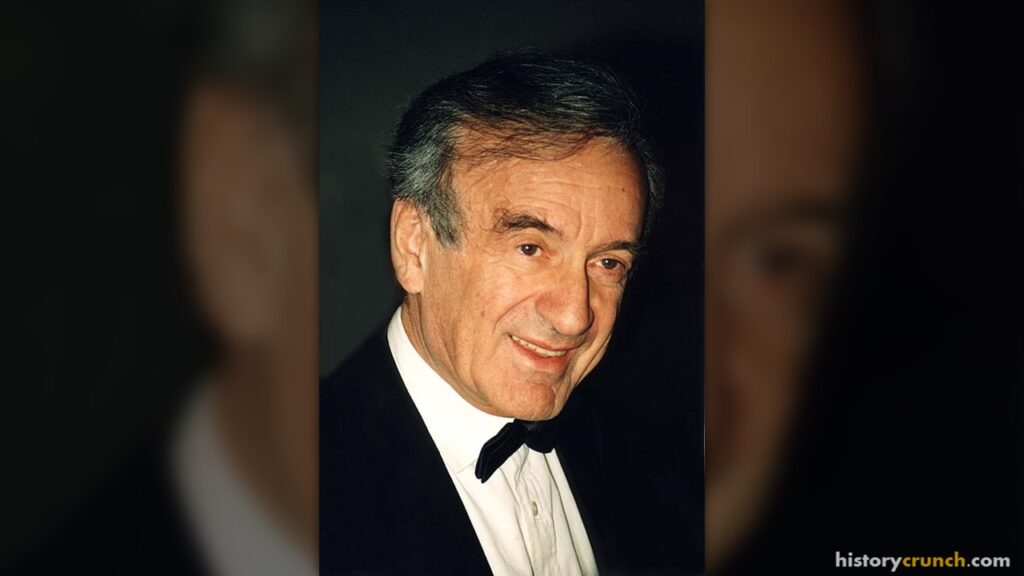
Holocaust Survivor, Author, and Human Rights Advocate
Born: September 30th, 1928, Sighet, Romania
Deported: May 1944, Auschwitz-Birkenau
Liberated: April 11th, 1945, Buchenwald
Nobel Peace Prize: December 10th, 1986, Oslo, Norway
Died: July 2nd, 2016, New York City, New York
Elie Wiesel survived Auschwitz-Birkenau and Buchenwald concentration camps during World War II and later wrote 'Night,' a memoir published in French in 1958 that became a central text for understanding the Holocaust. After the war, he spent decades speaking to governments and the public about the dangers of silence in the face of persecution, and he received the Nobel Peace Prize in 1986 for that work.
Holocaust SurvivorAuthor of NightNobel Peace Prize 1986Human Rights Advocate
On January 27th, 1945, soldiers of the Soviet Red Army's 60th Army entered the Auschwitz-Birkenau camp complex in occupied Poland and found around 7,000 surviving prisoners too sick or weak to have been evacuated by the SS in the days before.
Before
The full scale of Nazi mass killing was known to some governments but had not been widely documented or seen by the outside world
After
Photographs, testimony, and physical evidence from Auschwitz gave the world its clearest proof yet of the Holocaust's industrial scale, shaping war crimes prosecutions and international memory
When American troops from the 42nd Infantry Division reached Dachau on April 29th, 1945, they found more than 30,000 surviving prisoners inside the camp. It was one of the first major Nazi concentration camps that Western Allied soldiers entered and documented.
At the Nuremberg Trials, Hermann Goering was convicted and sentenced to death by hanging, but he died before the sentence could be carried out.
Tap an option.
ExplanationGoering was convicted and sentenced to death, but the sentence was death by hanging, not a different method. The false part is the outcome: Goering took his own life by swallowing a cyanide capsule on October 15th, 1946, the night before his scheduled execution, so the sentence was never carried out as ordered.
Arriving at accurate numbers requires piecing together census records, transport logs, camp records, and postwar survivor testimony, and historians continue to refine the figures. The totals include Jewish victims and also Roma, people with disabilities, Soviet prisoners of war, Polish civilians, and others targeted by Nazi policy. The scale of killing across so many groups reflects how broadly the regime applied its ideology of racial hierarchy.
German captivity killed Soviet prisoners of war at staggering rates, producing some of the deadliest numbers of any prisoner group in World War II.
About 5.7 Million
Soviet soldiers captured by Germany
About 3.3 Million
Died in German captivity
2 Million
Died by February 1st, 1942 (first 7 months)
About 57 to 58%
Death rate among Soviet POWs
3.6%
Death rate among British and American POWs (for comparison)
About 930,000
Soviet POWs still held as of January 1945
Germany deliberately withheld food and shelter from Soviet POWs, treating them far worse than prisoners from Western nations. The United States Holocaust Memorial Museum notes that Soviet POWs were the second-largest group of victims of Nazi racial policy, after Jewish people.
Of the roughly 230,000 children and young people deported to Auschwitz during the Holocaust, no more than 650 survived until Soviet forces liberated the camp.
Because children were generally too young for forced labor, Nazi authorities sent the vast majority directly to the gas chambers on arrival. Children who were healthy enough to work were often assigned dangerous or pointless jobs in the camp, and many died from those conditions. Along with the elderly, children had the lowest survival rate of any group sent to the killing centers.
The Holocaust's documented death counts by group and place show the full scale of Nazi killing across Europe.
About 1 Million
Jewish victims at Auschwitz alone
About 3 Million
Polish Jews killed (half of all Holocaust victims)
About 2.8 Million
Soviet POWs killed in German captivity, 1941 to 1942
Over 250,000
Romani people killed by the Nazis
About 70,000
Disabled people killed under the Action T4 program
6
Extermination camps built in occupied Poland
Historians built these figures from Nazi records, postwar population studies, and camp logs. Poland held the largest Jewish community in Europe before the war, with about 3.3 million Jews living there in 1939.
The Nazis killed approximately 6 million Jewish people during the Holocaust, which took place between 1933 and 1945. Beyond Jewish victims, the Nazis also killed millions of others, including roughly 250,000 people with disabilities, around 500,000 Roma, and hundreds of thousands of Soviet prisoners of war, Polish civilians, and political opponents. Scholars at the United States Holocaust Memorial Museum estimate the total number of people murdered by the Nazi regime and its collaborators at between 11 million and 17 million.
non-Jewish Polish people killed at Auschwitz, 1940 to 1945
Non-Jewish Polish prisoners were the second largest group of victims at Auschwitz, after Jewish victims. The Nazis sent Poles to the camp mainly as political prisoners, resistance members, and civilians from mass arrests beginning in 1940.
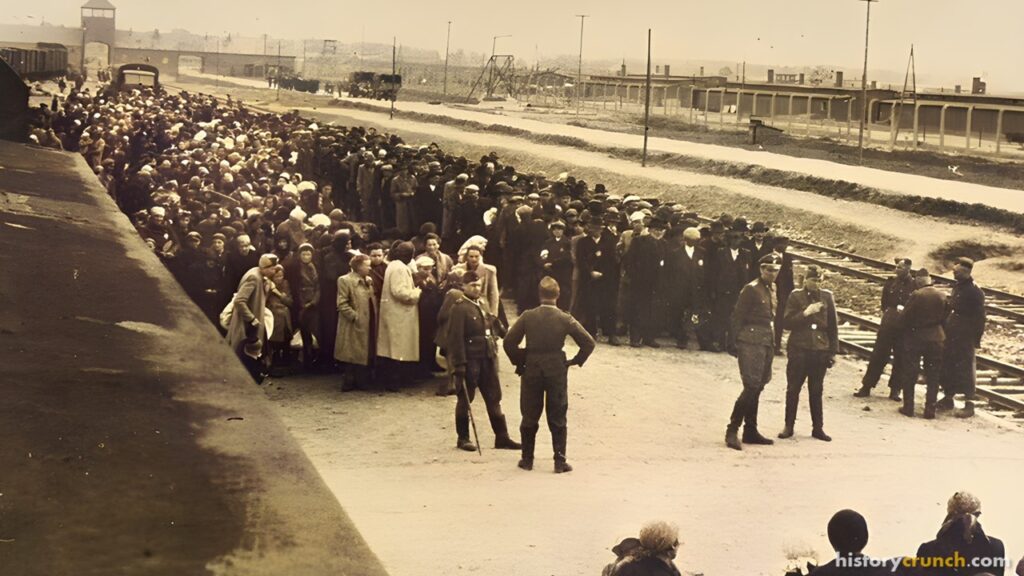
Jewish prisoners arrive at Auschwitz during the Holocaust. (Colorized by historycrunch.com)
About 90 percent of Poland's Jewish population was killed during the Holocaust, roughly 3.3 million people out of an estimated 3.3 to 3.5 million before the war. German-occupied Poland held the largest Jewish community in Europe, and most were killed in camps such as Treblinka, Sobibor, and Auschwitz-Birkenau.
The Holocaust killed approximately 7.5 to 7.8 million non-Jewish civilians alongside Jewish victims, including Soviet civilians, Polish civilians, people with disabilities, Roma, and others targeted by Nazi persecution. Historians estimate the total number of people murdered across all victim groups at around 17 million.
Which group made up the largest share of the roughly six million Jewish victims killed in the Holocaust by country of origin?
Tap an option.
ExplanationPolish Jews made up the largest single national group among Holocaust victims. Historians estimate that about 2.7 to 3 million Polish Jews were killed, accounting for more than 90 percent of Poland's prewar Jewish population and the largest share of total Jewish victims from any one country.
The Holocaust killed only Jewish people; no other group was systematically targeted and killed by the Nazi regime.
Myth or fact? Tap your call.
The truthThe Nazis also systematically murdered millions of non-Jewish victims, including Soviet civilians, Polish civilians, Roma, people with disabilities, and others. Historians estimate the total death toll across all targeted groups reached roughly 11 million people.
How many Jews were killed in the Holocaust out of an estimated six million total victims?
Take your best guess. Tap a range.
The real numberabout 6 millionHistorians estimate that approximately six million Jews were murdered by Nazi Germany and its collaborators. That figure represents the majority of all Holocaust victims and about two thirds of all Jews living in Europe before the war.
Diaries, letters, and testimonies written by survivors and victims record experiences that statistics alone cannot convey. Some accounts were hidden or smuggled out during the war; others were gathered by researchers and organizations in the decades that followed. These sources give specific, individual detail to events that otherwise risk being understood only in the abstract.
“
Everything can be taken from a man but one thing: the last of the human freedoms, to choose one's attitude in any given set of circumstances, to choose one's own way.
Viktor Frankl
Austrian psychiatrist and Holocaust survivor, from Man's Search for Meaning, 1946
Frankl was a Jewish doctor from Vienna who survived Auschwitz and other Nazi camps while most of his family was killed. He wrote this line in his 1946 book Man's Search for Meaning to explain that prisoners kept an inner freedom even when the camps took away everything else.
We must always take sides. Neutrality helps the oppressor, never the victim. Silence encourages the tormentor, never the tormented.
EW
Elie WieselHolocaust survivor, author of Night, and Nobel Peace Prize laureate, December 10th, 1986, Oslo City Hall, Norway
Why it matters
Wiesel, who survived Auschwitz and Buchenwald as a teenager during World War II, used his Nobel acceptance speech to rally the public to speak out against injustice, arguing that the world's silence had helped make the Holocaust possible.
Consider if this is a man
Who works in the mud,
Who does not know peace,
Who fights for a scrap of bread,
Who dies because of a yes or a no.
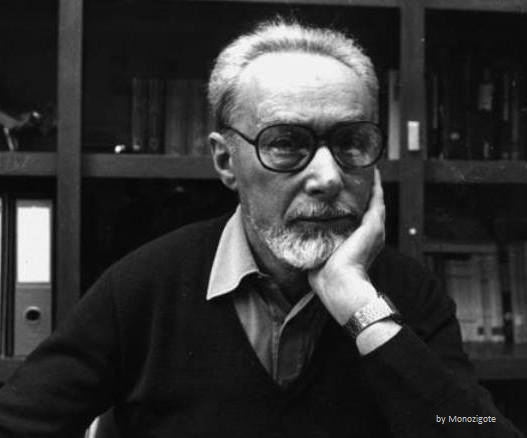
Primo Levi
Italian Jewish chemist and Auschwitz survivor, from If This Is a Man, 1947
Levi was deported to Auschwitz in February 1944 and survived until Soviet troops reached the camp in January 1945. These lines open his memoir and ask readers to think about how the camp stripped prisoners of their dignity.
Primo Levi in Library 1983 · Wikimedia Commons / Monozigote
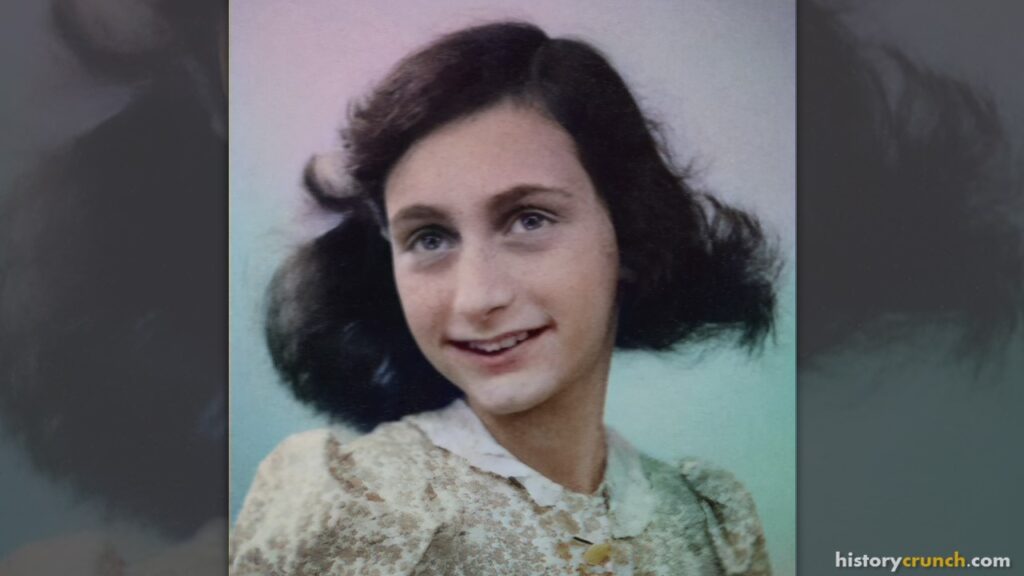
In spite of everything I still believe that people are really good at heart.
AF
Anne FrankJewish girl who hid from the Nazis with her family in Amsterdam, July 15th, 1944
Why it matters
Anne wrote these hopeful words in her diary about three weeks before police discovered the secret annex on August 4th, 1944, and her published diary later carried this belief in human goodness to millions of readers.
Anne Frank in May of 1942, just two months before her family went into hiding. (Colorized by historycrunch.com)
Never shall I forget that night, the first night in camp, which has turned my life into one long night, seven times cursed and seven times sealed.
Elie Wiesel
Holocaust survivor and author of the memoir Night
Wiesel was 15 years old when he and his family were deported from Hungary to Auschwitz in May 1944. He wrote these words in his memoir Night to describe his first night in the camp, and the book became one of the main firsthand accounts students read about the Holocaust.
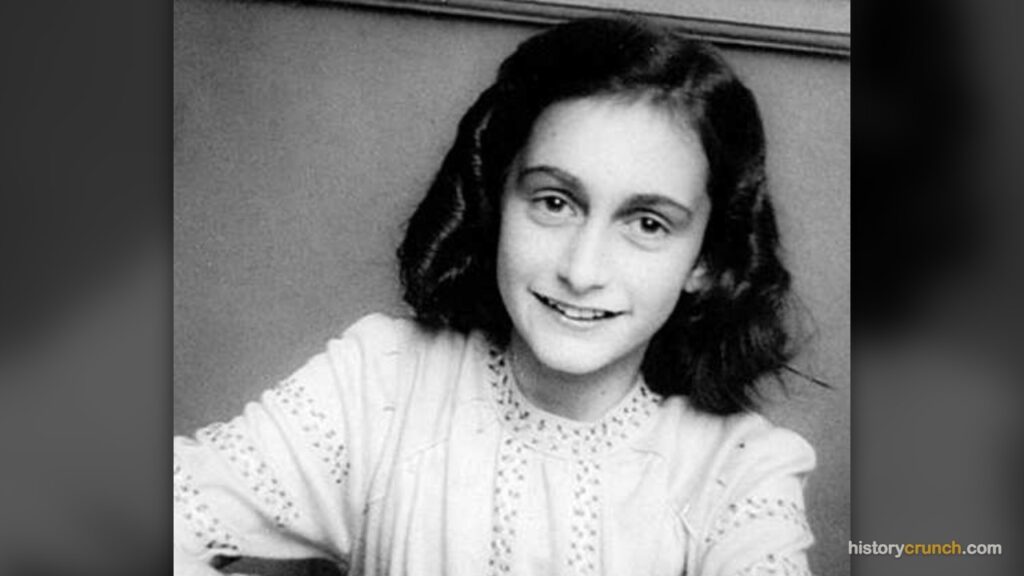
Went into hiding: July 6th, 1942, Amsterdam, Netherlands
Arrested: August 4th, 1944
Died: February or March 1945, Bergen-Belsen, Germany
Anne Frank kept a diary while hiding with her family for more than two years in a concealed apartment in Amsterdam during the German occupation of the Netherlands. Her diary, published after the war by her father Otto Frank, became one of the most widely read personal accounts of life under Nazi persecution and is used in classrooms around the world.
Holocaust victimWorld War II NetherlandsThe Secret AnnexDiarist
It's a wonder I haven't abandoned all my ideals, they seem so absurd and impractical. Yet I cling to them because I still believe, in spite of everything, that people are truly good at heart.
AF
Anne FrankJewish diarist, age 15, hiding in the Secret Annex in Amsterdam, July 15th, 1944
Why it matters
Anne Frank wrote these words about three weeks before German police found the hiding place and arrested everyone in it, and after her father Otto Frank published the diary in 1947 the line became the best-known statement of hope to survive the Holocaust.
Never shall I forget that smoke. Never shall I forget the small faces of the children whose bodies I saw transformed into smoke under a silent sky. Never shall I forget those flames that consumed my faith forever.
Elie Wiesel
Holocaust survivor and author of the memoir Night
Wiesel wrote this passage in Night, his memoir about surviving the Holocaust. It describes his first night in the Auschwitz-Birkenau camp in May 1944, when he was 15 years old and saw the crematoria for the first time. The book became one of the most widely read firsthand accounts of the camps and helped later generations understand what prisoners endured.
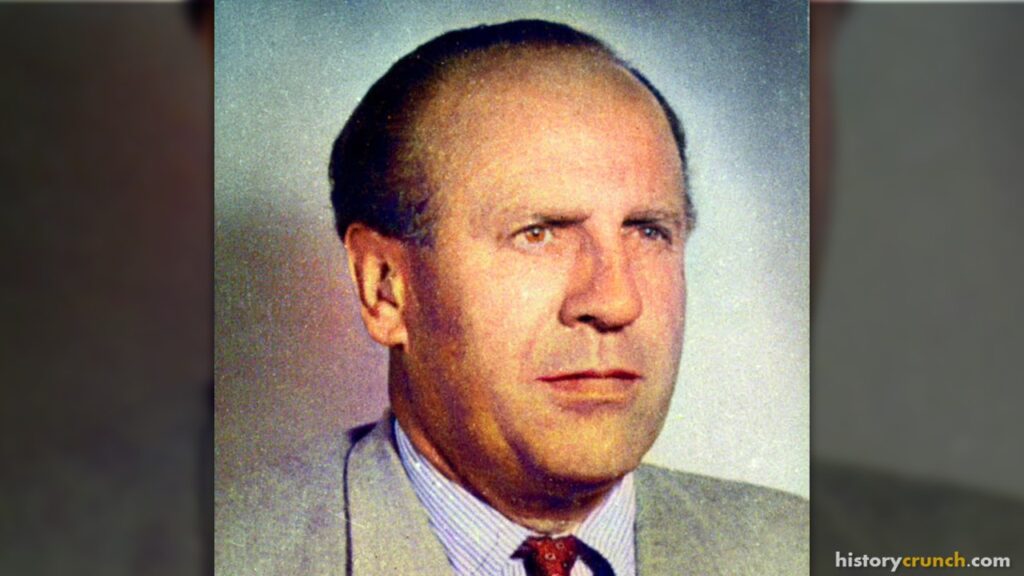
DiedOctober 9th, 1974, in Hildesheim, West Germany
RoleGerman industrialist and humanitarian who saved approximately 1,200 Jewish workers during the Holocaust
Tap a heading to open the note.
Early Career
Schindler joined the Nazi Party in 1939 and arrived in Kraków, Poland, hoping to profit from the war by running a factory.
The Enamelware Factory
He took over a cookware plant called Deutsche Emailwarenfabrik, known as Emalia, and employed Jewish workers from the Kraków ghetto as forced laborers.
Shifting Motives
By 1942, after witnessing the violent liquidation of the Kraków ghetto, Schindler began working to protect his Jewish workers rather than simply profit from them.
Schindler's List
In late 1944, Schindler and his accountant Itzhak Stern compiled a list of roughly 1,200 Jewish workers to transfer to a new factory in Brünnlitz, in his home region of Moravia, keeping them out of the death camps.
After the War
Schindler spent his postwar years moving between Argentina and West Germany, struggling financially, and was largely supported by donations from the Jewish survivors he had saved, known as Schindlerjuden.
Yad Vashem Recognition
In 1963, Israel's Holocaust memorial authority Yad Vashem named Schindler Righteous Among the Nations, one of the earliest recipients of that honor, and he is buried in Jerusalem.
Anne Frank · Amsterdam, Netherlands · June 20th, 1942
Anne Frank wrote this line to explain why she poured her thoughts into a diary instead of talking to friends. Weeks later her family went into hiding from the Nazis, and that diary became a key record of Jewish life during World War II.
How did bearing witness to the Holocaust look to Anne Frank writing privately in hiding compared to Elie Wiesel testifying publicly after liberation?
Anne Frank wrote her diary in the Secret Annex in Amsterdam between June 1942 and August 1944, recording daily life, fears, and hopes while her family hid from Nazi roundups. Her account was a private record never meant to be published, written to make sense of a confined and frightening existence. She could not know what was happening in the camps or how the war would end.
Elie Wiesel survived Auschwitz and Buchenwald and chose to speak publicly about what he witnessed so that the world could not claim ignorance of the Nazi genocide. He waited more than ten years after liberation before publishing his account, Night, in 1958, believing testimony carried a moral duty. For him, silence was a second injustice to those who had died.
Frank kept a diary while hiding with her family in a concealed Amsterdam apartment from July 6th, 1942, until August 4th, 1944, when German police discovered the hiding place and arrested everyone inside.
Elie Wiesel
Wiesel was deported from Sighetu Marmatiei, Romania, to Auschwitz in May 1944 at age 15, and his 1960 memoir Night described conditions inside Auschwitz and Buchenwald from a teenager's direct point of view.
Primo Levi
Levi, an Italian Jewish chemist, was sent to Auschwitz in February 1944 and survived by working in a camp factory; his 1947 book If This Is a Man gave a precise, factual account of daily life and the camp system.
Viktor Frankl
Frankl was a Viennese psychiatrist who was held in four camps, including Auschwitz and Dachau; his 1946 book Man's Search for Meaning described how prisoners maintained a sense of purpose under extreme conditions.
Oskar Schindler
Schindler was a German businessman who ran an enamelware factory in Krakow and arranged for about 1,200 Jewish workers to be registered as essential laborers, keeping them out of the Auschwitz-Birkenau extermination process.
The Voices of the Holocaust project, housed at the Illinois Institute of Technology, preserves audio recordings of survivors interviewed by David Boder in 1946, making them among the earliest recorded testimonies collected after World War II. Boder traveled to displaced persons camps in France, Germany, Italy, and Switzerland and recorded more than 90 hours of interviews on a wire recorder.
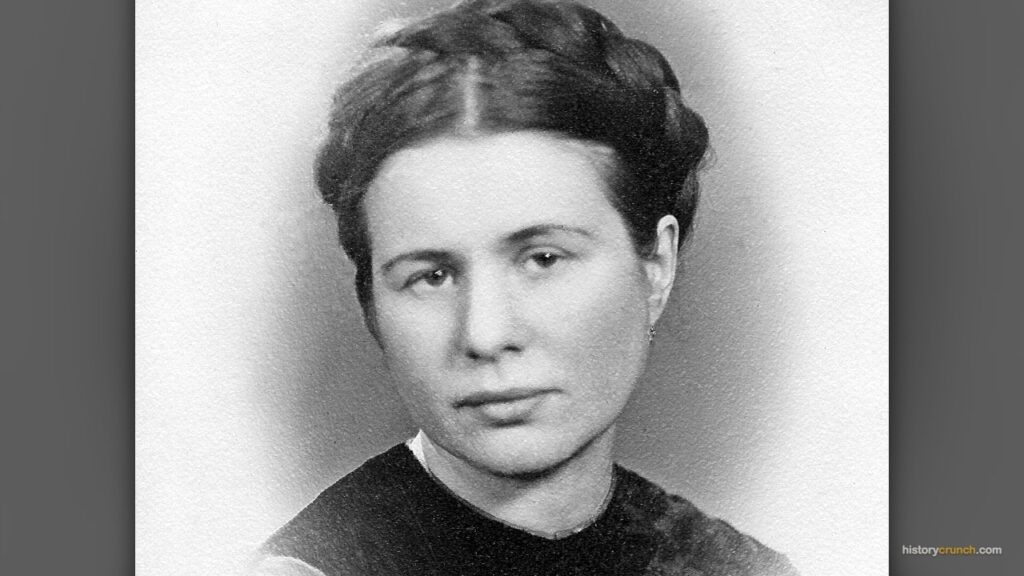
Irena Sendler was a Polish social worker who helped rescue Jewish children from the Warsaw Ghetto during World War II.
In this formal portrait of Irena Sendler, she is shown in plain civilian dress with no uniform, insignia, or official badge. What does this choice of setting and presentation reveal about how her rescue work during World War II was carried out?
Tap an option.
ExplanationSendler used her job as a Warsaw city welfare worker to enter the ghetto legally, but her core rescue operation was secret. She and her network smuggled roughly 2,500 children out of the Warsaw Ghetto by hiding them in bags, boxes, and ambulances. Operating in plain civilian dress was essential: any official insignia would have drawn German attention to her movements and ended the network. She was eventually arrested by the Gestapo on October 20th, 1943, and was tortured but did not reveal her contacts.
Can you name this mystery person before the photo develops? Click through the hints and lock in your guess.
Unknown subjectIrena Sendler
Evidence
checking for typhus
broke both my legs
reclaim their identities
2,500 Jewish children
I worked as a social worker in Warsaw and used that access to enter the Warsaw Ghetto under the cover of checking for typhus.I smuggled children out in toolboxes, suitcases, and under stretchers, then placed them with Polish families or convents outside the ghetto.In October 1943, the Gestapo arrested me, and they broke both my legs during interrogation, but I never gave up the names of my network.I buried coded lists of the children's true names in jars in a friend's garden so they could reclaim their identities after the war.I helped rescue around 2,500 Jewish children from the Warsaw Ghetto during World War II.
Hint 1 of 5
1I worked as a social worker in Warsaw and used that access to enter the Warsaw Ghetto under the cover of checking for typhus.
2I smuggled children out in toolboxes, suitcases, and under stretchers, then placed them with Polish families or convents outside the ghetto.
3In October 1943, the Gestapo arrested me, and they broke both my legs during interrogation, but I never gave up the names of my network.
4I buried coded lists of the children's true names in jars in a friend's garden so they could reclaim their identities after the war.
5I helped rescue around 2,500 Jewish children from the Warsaw Ghetto during World War II.
Identified
Irena Sendler
Polish social worker, Warsaw rescuer
Case closed
Why it mattersShe kept meticulous buried records of each child's real name so that, after the war, surviving children could learn who they truly were.
On the nights of November 9th and 10th, 1938, organized violence against Jewish communities across Germany and Austria marked a sharp turn in Nazi persecution. Synagogues were burned, businesses were destroyed, and thousands of Jewish men were arrested and sent to concentration camps. The event signaled that the regime had moved from legal discrimination to open physical violence on a national scale.
Jewish residents watched as synagogues burned, shop windows shattered, and neighbors were dragged into the street by SA members and local civilians. Many described the night as proof that no level of assimilation or loyalty to Germany could protect them. The violence made clear to many families that leaving Germany was no longer optional but urgent.
Nazi official
Nazi officials, including Reich Propaganda Minister Joseph Goebbels, framed the violence as a natural reaction by outraged German citizens to the assassination of German diplomat Ernst vom Rath in Paris on November 7th, 1938. Internally, however, senior figures including Reinhard Heydrich sent detailed instructions to police units on how to direct and limit the destruction to serve state goals. Officials saw the pogrom as a chance to accelerate the removal of Jews from German economic and public life through mass arrests and forced property transfers.
What were the four main effects of Kristallnacht on Jewish life in Germany in November 1938?
Rioters burned or damaged about 1,400 synagogues across Germany and Austria on the nights of November 9th and 10th, 1938. They also smashed the windows of roughly 7,500 Jewish-owned shops, giving the pogrom its name, which means 'Night of Broken Glass.'
German authorities arrested around 30,000 Jewish men in the days after the pogrom and sent them to concentration camps including Dachau, Buchenwald, and Sachsenhausen. Most were released within weeks on the condition that they leave Germany.
The Nazi government fined the Jewish community in Germany one billion reichsmarks, blaming Jewish people for the destruction. Jewish businesses and property owners also received no insurance payments for damages, as the government seized any insurance funds paid out.
The violence and arrests pushed tens of thousands of Jewish families to leave Germany and Austria in the months that followed. Countries including the United States and Britain saw sharp increases in visa applications from German Jews after November 1938.
On the nights of November 9th and 10th, 1938, Nazi-organized mobs across Germany and Austria attacked Jewish-owned shops, homes, and synagogues, destroying about 7,500 businesses and burning more than 1,400 synagogues. The event became known as Kristallnacht, meaning 'Night of Broken Glass,' because of the enormous amount of shattered window glass left in the streets.
During Kristallnacht in November 1938, Nazi authorities arrested very few Jewish people because the violence was carried out mainly by ordinary civilians acting without government direction.
ExplanationKristallnacht was organized and carried out by Nazi SA and SS members, and by Nazi Party activists, not by spontaneous civilian mobs. In the days following the pogrom, Nazi authorities arrested around 30,000 Jewish men and sent them to concentration camps including Dachau, Sachsenhausen, and Buchenwald.
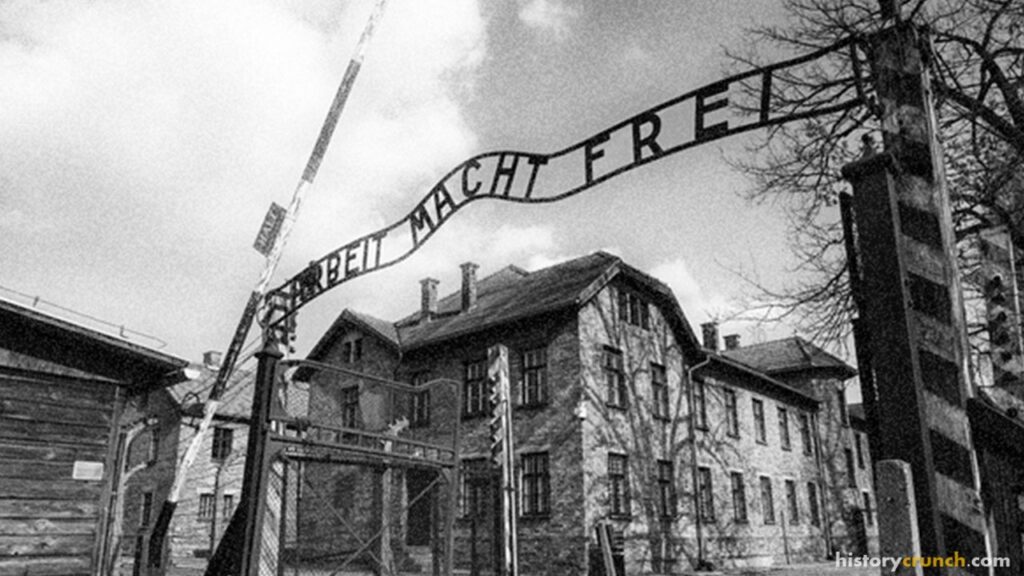
Auschwitz was not a single site but a complex of camps near Oswiecim in occupied Poland, and it operated longer and on a larger scale than any other Nazi camp. It functioned as a forced labor camp, a concentration camp, and an extermination site at the same time, which made it central to the overall structure of the Holocaust. The records, physical remains, and survivor testimonies from Auschwitz form a large part of the documented evidence historians and courts have used to understand Nazi genocide.
From 1940 to 1945, Auschwitz was a Nazi German concentration and extermination camp complex in occupied Poland, near the town of Oswiecim. It grew into the largest camp in the Nazi system, made up of three main camps: Auschwitz I, the original camp; Auschwitz II-Birkenau, the main killing site; and Auschwitz III-Monowitz, a forced labor camp. More than 900,000 Jewish people, along with tens of thousands of Poles, Roma, Soviet prisoners of war, and others, were killed there.
Now
Today the site is preserved as the Auschwitz-Birkenau State Museum in Oswiecim, Poland, and it receives over 2 million visitors a year. UNESCO added it to the World Heritage List in 1979 as a site of universal importance to human memory. The museum maintains the original barracks, guard towers, and remnants of the gas chambers so that the evidence of what happened there is not lost.
Preserving Auschwitz as a museum means that students and visitors can see physical evidence of the Holocaust rather than relying only on written accounts.
Auschwitz killed more people than any other Holocaust site because of the Nazi bureaucratic system that selected, transported, and processed victims at industrial scale, not simply because the camp was large or well-designed.
Evidence
The Reichsbahn, the German national railway, scheduled and ran hundreds of deportation trains from across occupied Europe to Auschwitz. Without that coordinated scheduling, the camp's gas chambers could not have received large numbers of victims from distant countries like Hungary, Greece, and the Netherlands.
The Wannsee Conference of January 20th, 1942, produced bureaucratic coordination among at least fifteen Nazi agencies, turning the murder of Jews into a government-managed process with assigned roles and paperwork.
Adolf Eichmann's office in the SS managed the logistics of deportation from country to country. His unit tracked which populations had been deported, in what numbers, and on what dates, functioning like a government scheduling bureau.
Other Nazi killing sites, including the Operation Reinhard camps at Treblinka, Sobibor, and Belzec, used simpler physical facilities than Auschwitz but still killed hundreds of thousands because bureaucratic organization drove victims to them. This shows that design alone did not determine death totals.
Gate inscription The iron letters spell 'Arbeit Macht Frei,' a German phrase meaning 'Work Sets You Free.' The Nazis placed this sign over the entrance to Auschwitz to deceive prisoners into believing they could earn their freedom through labor. In reality, Auschwitz was a killing center where over 1.1 million people, mostly Jewish, were murdered.
Controlled entry gate The gate and barrier arm visible at the sides of the entrance show that movement in and out of the camp was strictly controlled. Guards decided who passed through, and prisoners had no freedom to leave. This physical barrier made the promise in the sign above it a deliberate lie.
Permanent brick buildings The solid multi-story brick structures visible beyond the gate show that Auschwitz was not a temporary facility. The Nazis built it to last, with permanent administration and housing blocks, reflecting how organized and long-term the operation of the camp was planned to be.
Fence and posts The heavy posts and fencing running along both sides of the entrance supported electrified wire that surrounded the camp. Any prisoner who touched the fence was killed instantly. The structure made escape almost impossible and reinforced the total control the SS held over everyone inside.
The gate to Auschwitz, which translates to 'Work will set you free'.
Auschwitz was a complex of three main camps built by Nazi Germany in occupied Poland, and it operated from May 1940 until Soviet troops liberated it on January 27th, 1945. The camp used a system of selection on arrival, where SS doctors directed most prisoners directly to the gas chambers without ever registering them.
At the Auschwitz complex in World War II, does each of these facts describe Auschwitz I, Auschwitz II Birkenau, or Auschwitz III Monowitz?
Read the item in the dashed box, then tap the column where it belongs.
SORT THIS ITEM1 / 9
The original camp, opened in 1940
The original camp, opened in 1940
Block 11, used for punishments
The 'Arbeit Macht Frei' gate
First site of Zyklon B testing, September 1941
Family camp for Jews from Theresienstadt
Site of the 'Canada' warehouses for prisoner belongings
Built from 1941 on marshy ground
Largest of the three camps by area
Held the main gas chamber and crematorium complex
Sort all 9 to see your score
The original camp, opened in 1940Family camp for Jews from TheresienstadtBlock 11, used for punishmentsSite of the 'Canada' warehouses for prisoner belongingsThe 'Arbeit Macht Frei' gateBuilt from 1941 on marshy groundFirst site of Zyklon B testing, September 1941Largest of the three camps by areaHeld the main gas chamber and crematorium complex
ExplanationAuschwitz II Birkenau became the main killing site of the complex, containing the majority of the gas chambers and holding hundreds of thousands of prisoners at its peak, while Auschwitz I served as the administrative center and Auschwitz III Monowitz supplied forced labor to the nearby IG Farben synthetic rubber plant.
 FactsthatCrunch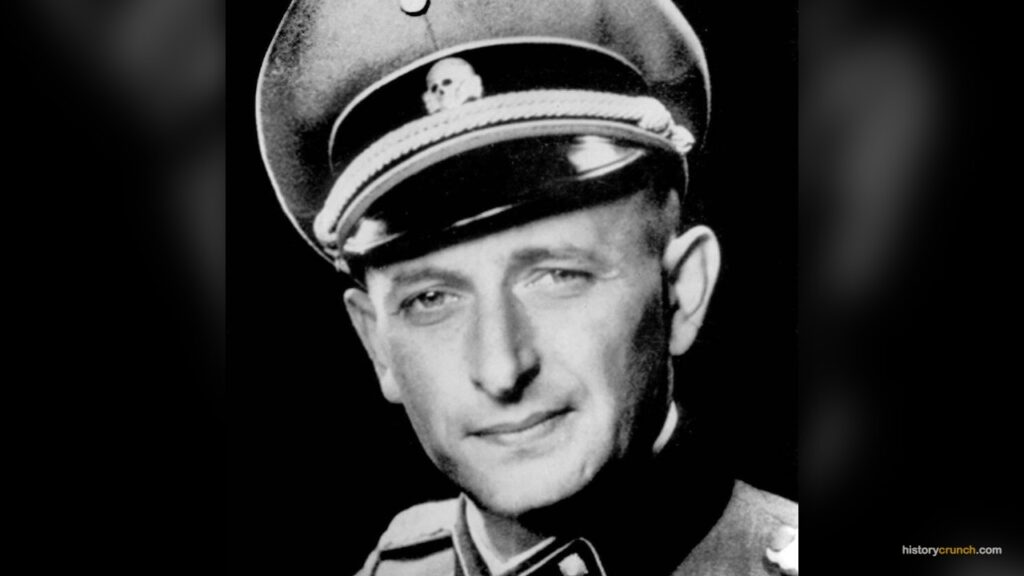
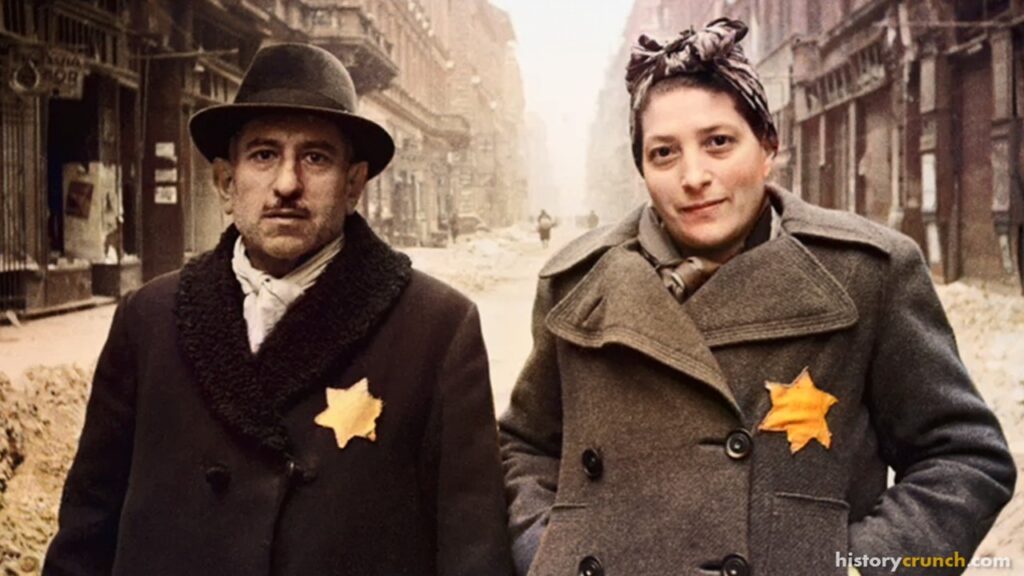
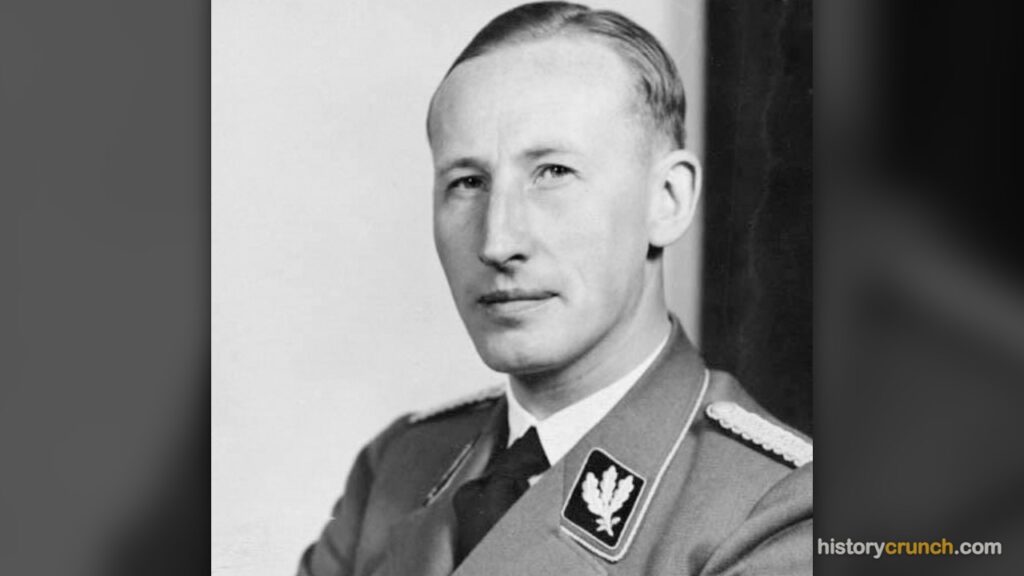 Evidence Photo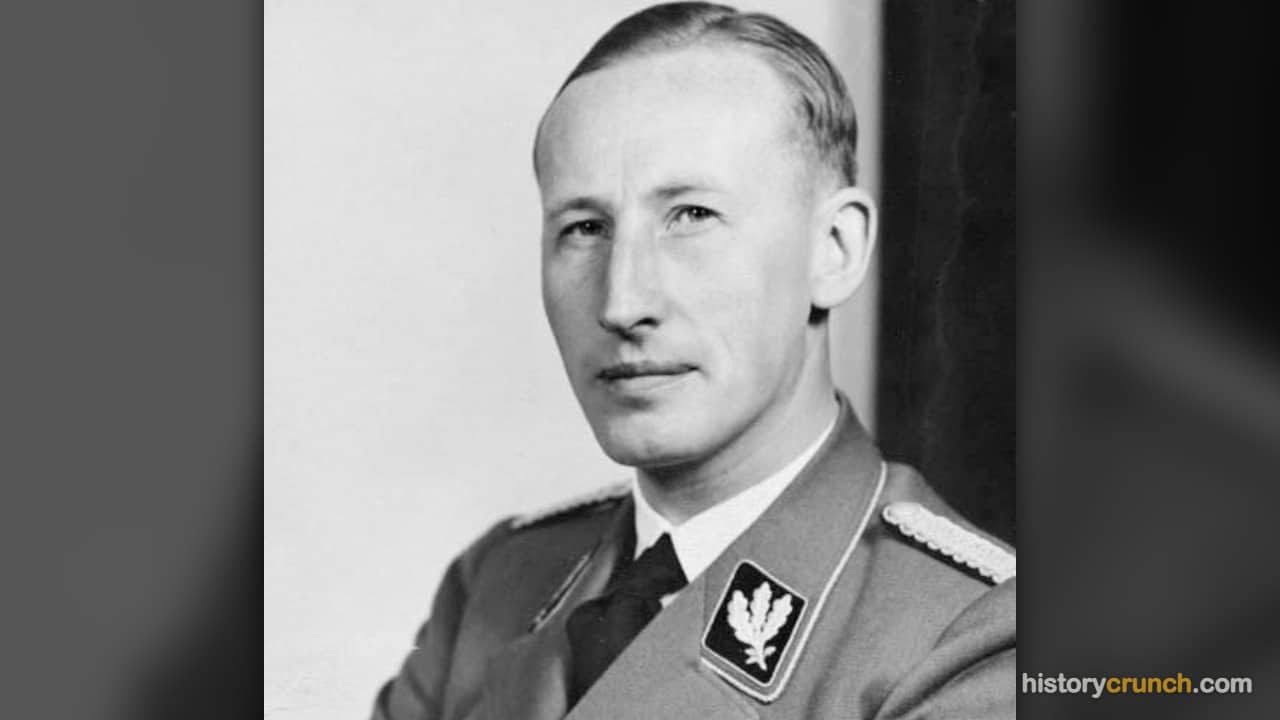
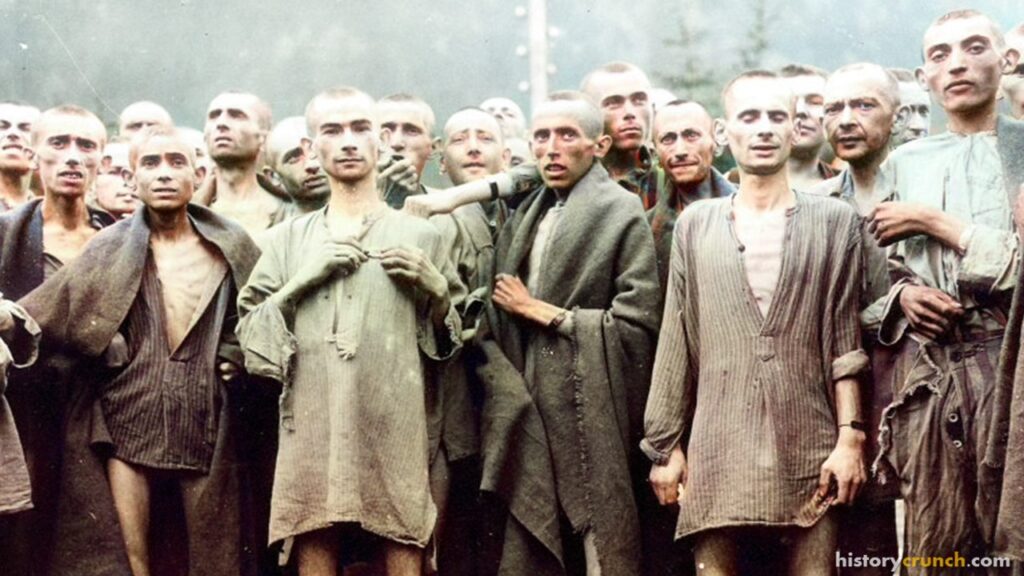
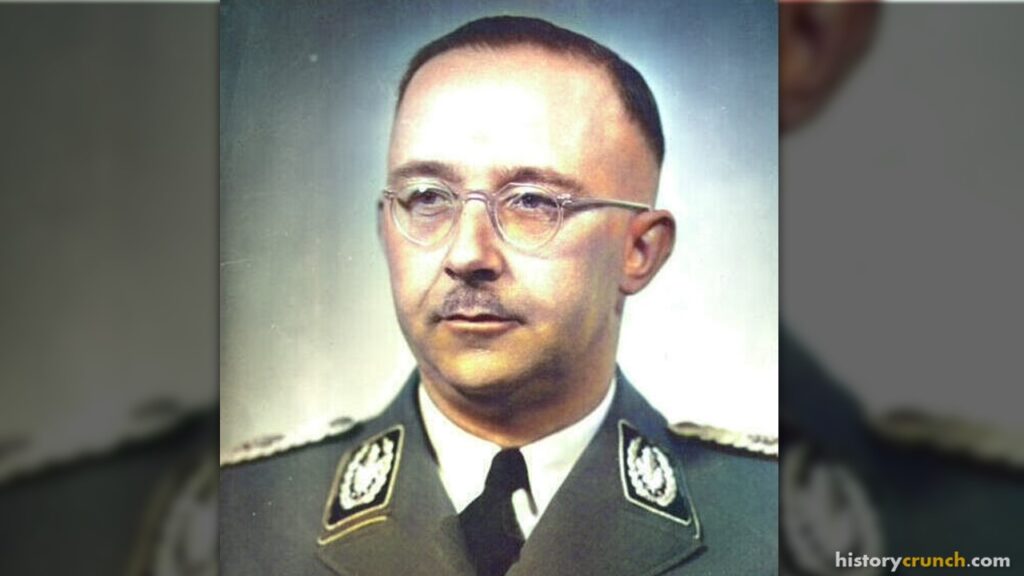
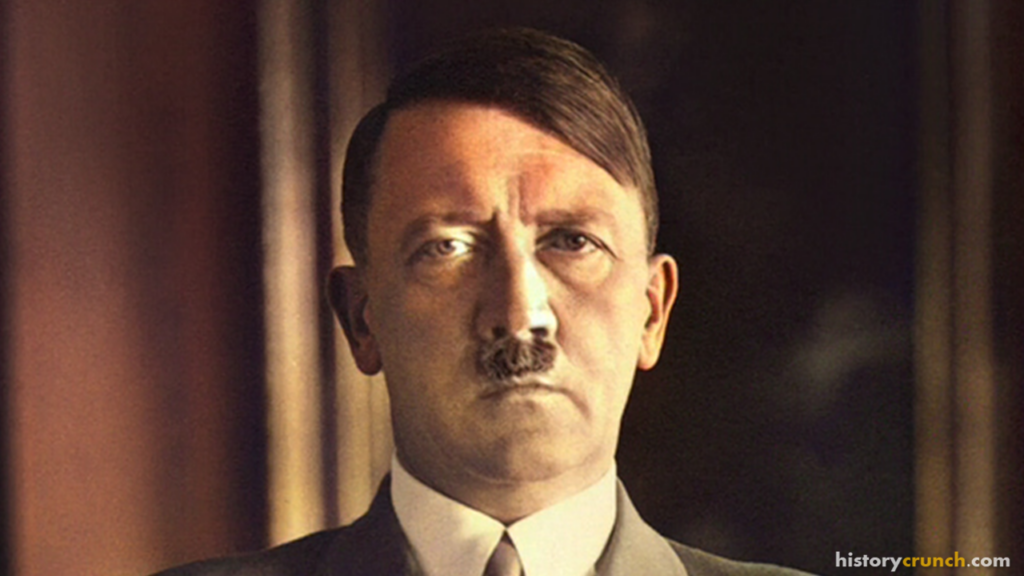
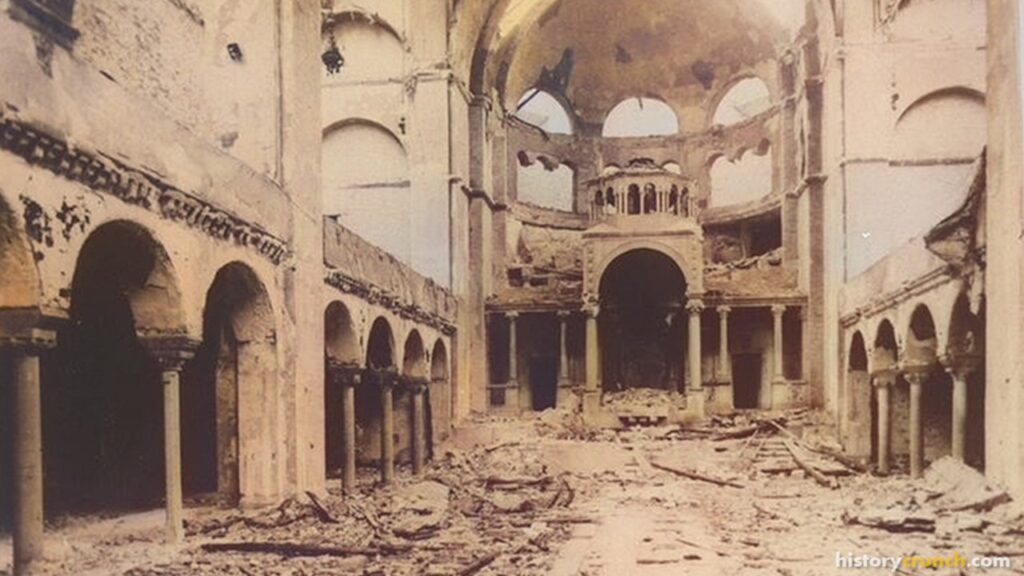
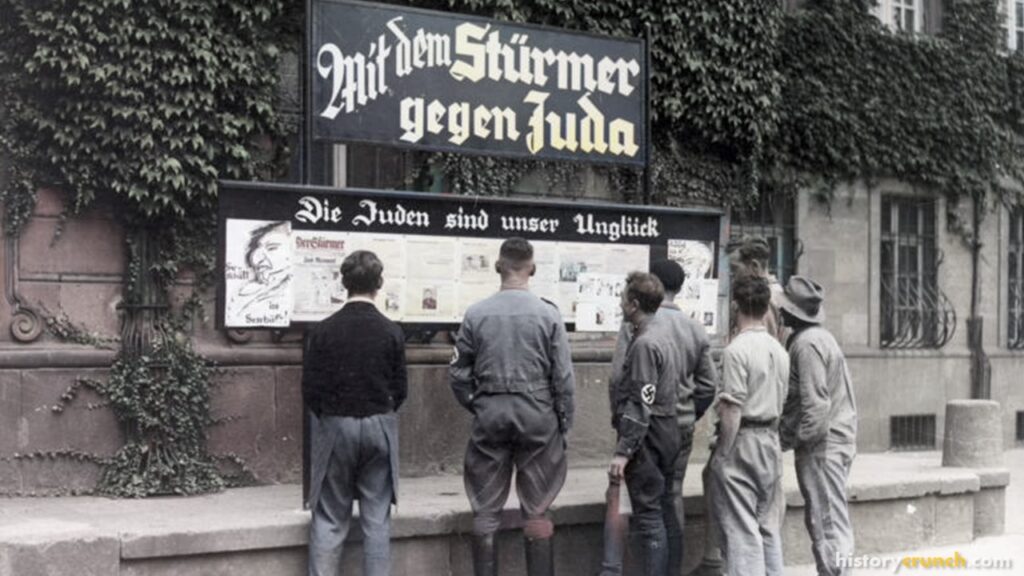 Black & whiteColour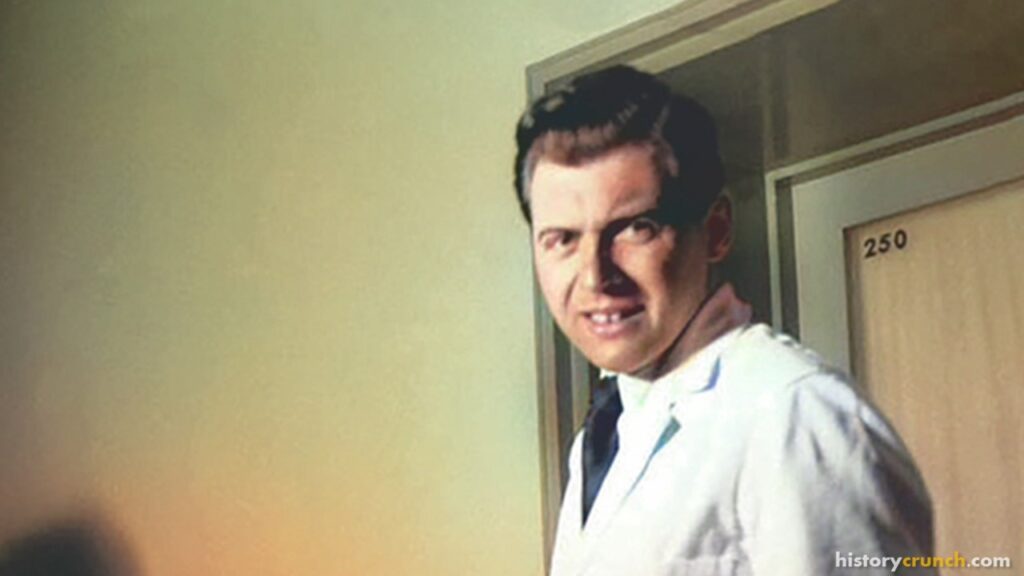
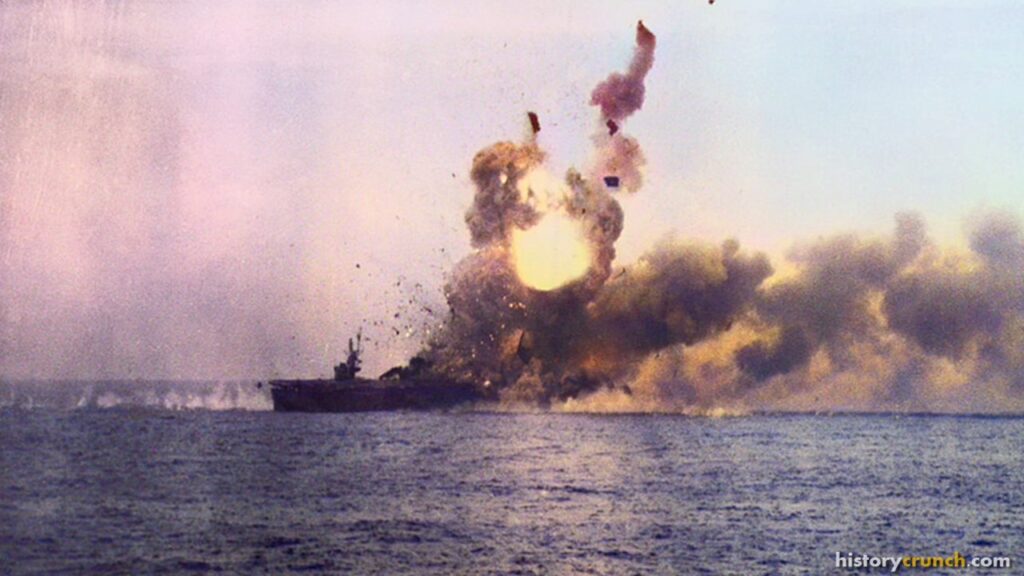
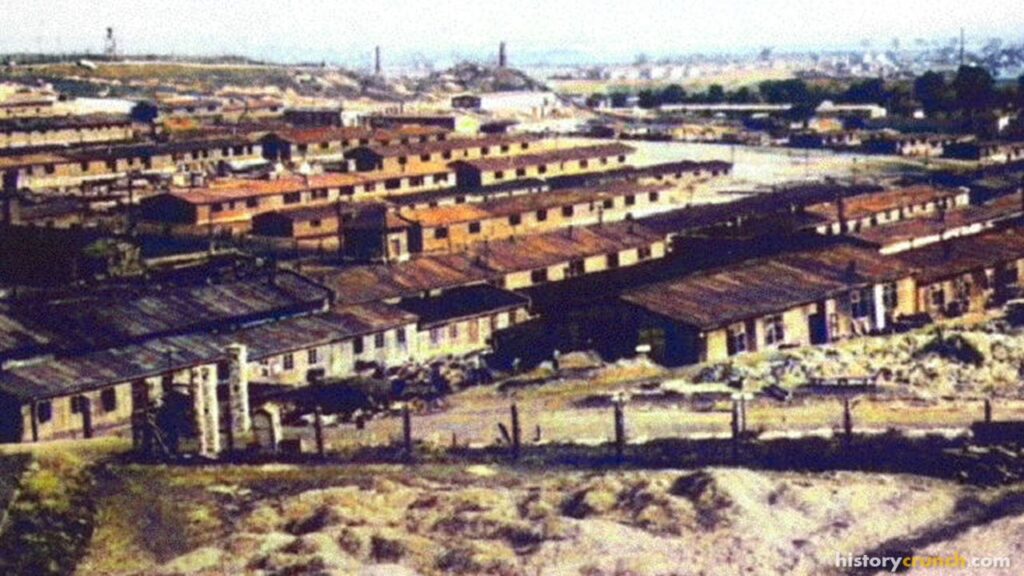
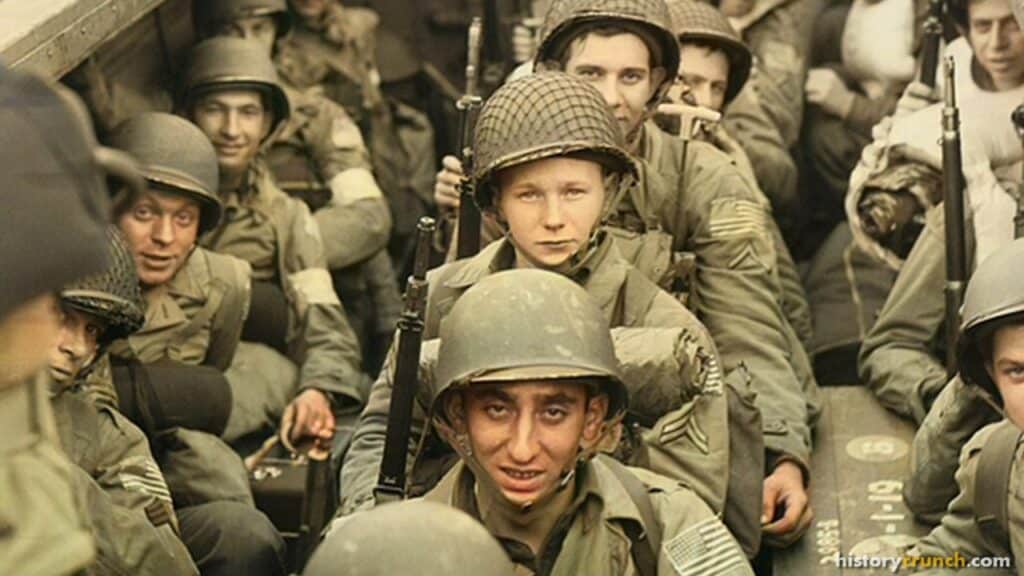
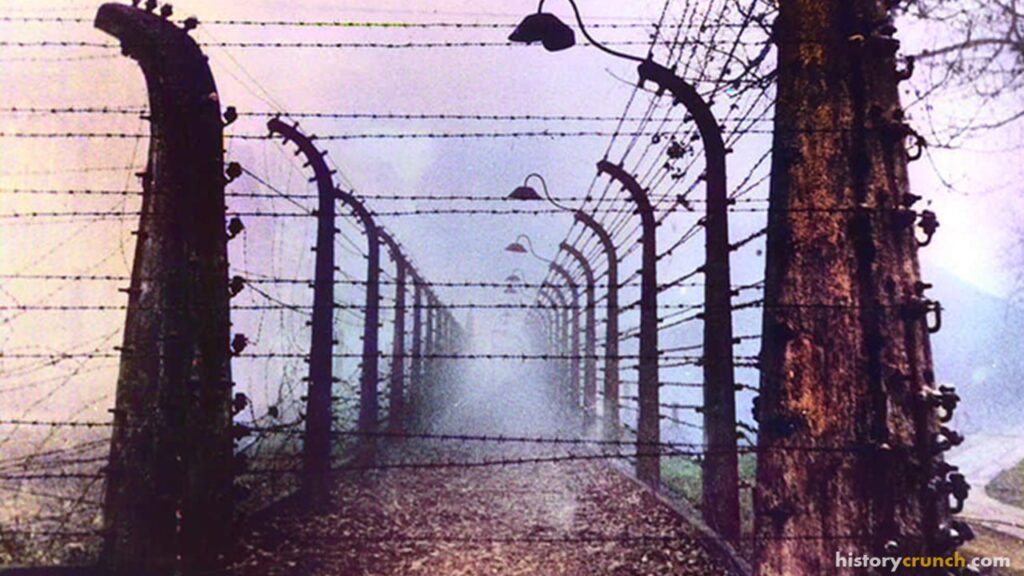
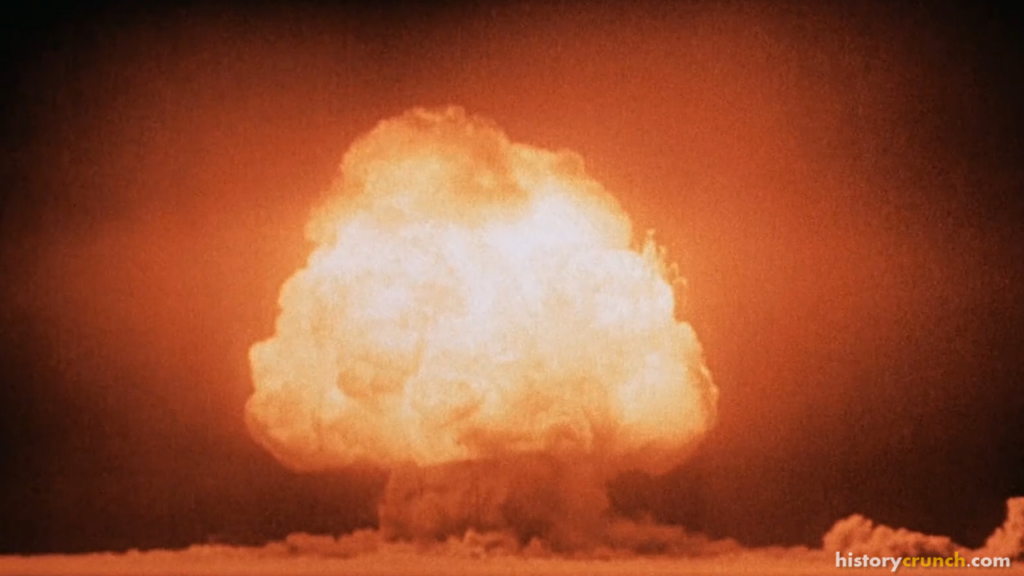
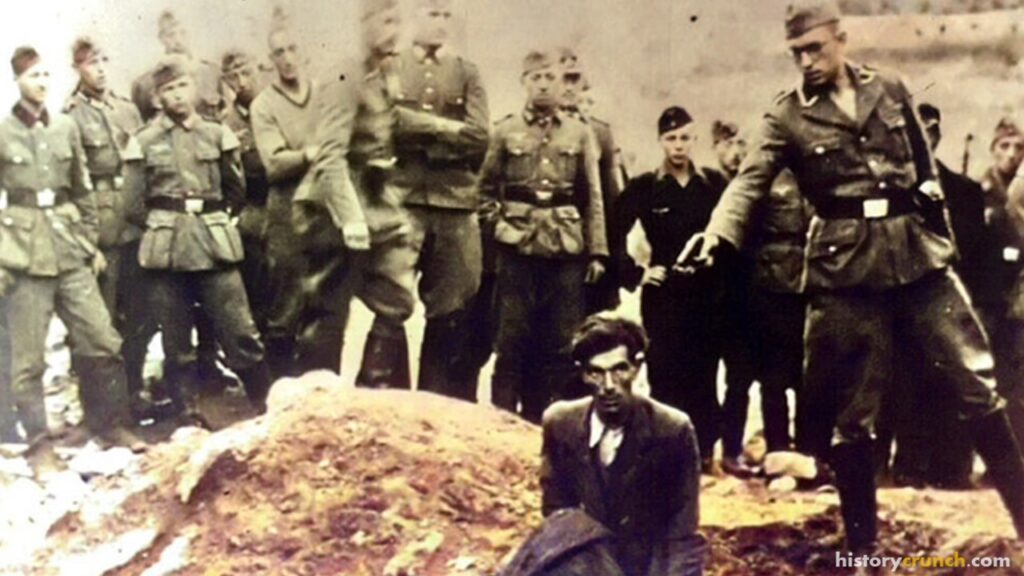 Black & whiteColour