The North African and Mediterranean Theater was where Allied forces first pushed back against Axis power on land after years of German and Italian expansion. Control of North Africa mattered because it decided who would control sea routes through the Mediterranean and who could threaten Europe from the south. This page pulls together the key facts on the desert war, the major commanders, the Allied landings, and the long fight up through Italy, so students can review the topic quickly. For the full picture, see our World War II hub. Related: Causes of World War II and European Theater of World War II.
War in North Africa
Control of North Africa mattered because whoever held the region controlled access to the Suez Canal, which was the main shipping route connecting Britain to its territories in Asia and the Middle East. Losing the canal would have forced Allied ships to travel an extra 10,000 miles (16,093 km) around the southern tip of Africa for every supply run. The cards in this section show how that strategic reality shaped every major decision made in the desert war from 1940 onward.
 FactsthatCrunch
The First and Second Battles of El Alamein both took place in Egypt in 1942 and shaped the North Africa campaign in different ways.
 FactsthatCrunchFactsthatCrunchFactsthatCrunch
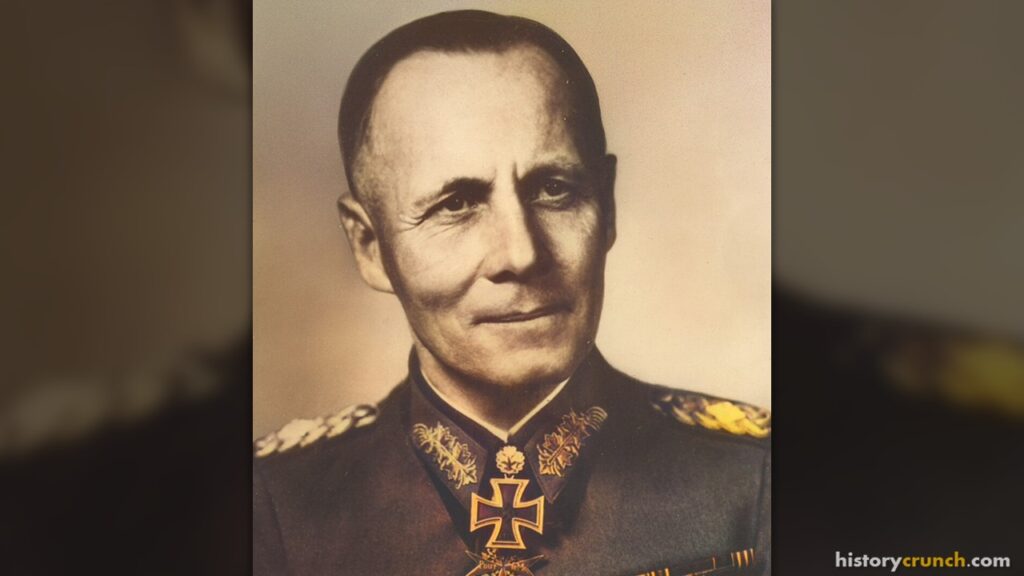
Rommel led German and Italian forces across North Africa and gained wide recognition for fast, aggressive armored tactics that repeatedly outmaneuvered larger Allied forces. He was linked to the July 20th, 1944 plot to remove Hitler and was forced to take poison by the Nazi government rather than face a public trial.
 FactsthatCrunch
Italy's entry into the war in June 1940 made North Africa a front where Germany could threaten the British-controlled Suez Canal, which carried oil and supplies between Britain and its empire in Asia.
Italy controlled Libya and wanted to expand its empire in Africa, which pulled Germany into a campaign far from the European mainland. For Germany, helping Italy hold North Africa was mainly a way to keep Britain under pressure and protect the overall Axis position in the Mediterranean.
FactsthatCrunch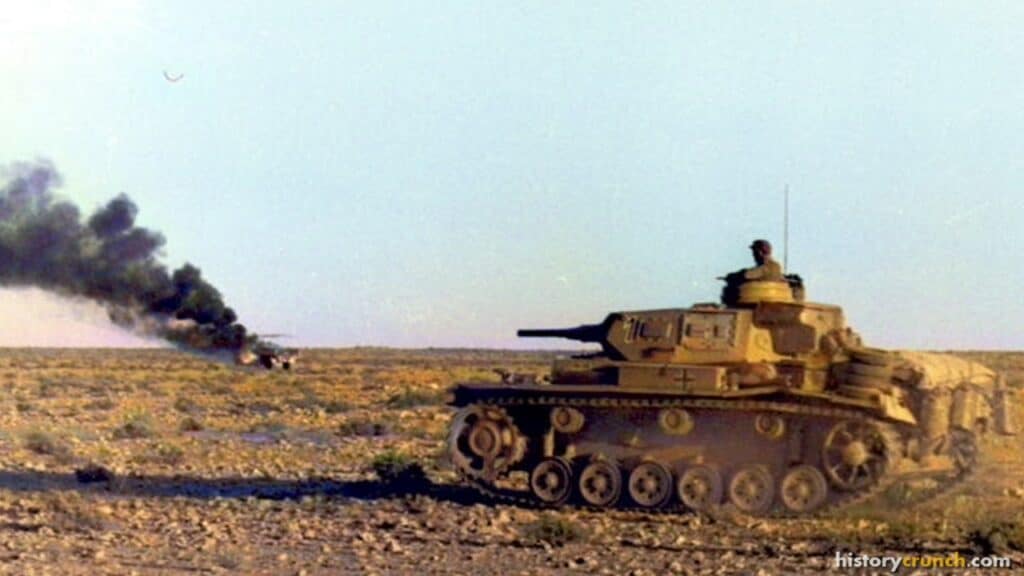 FactsthatCrunch
Which battle in the North African Campaign ended Axis control of North Africa and forced Germany and Italy to surrender about 250,000 troops in May 1943?
Battles of El Alamein
Two separate battles were fought near the Egyptian town of El Alamein in 1942, and together they marked the turning point of the entire North African campaign. The first battle stopped the Axis advance into Egypt, and the second pushed Axis forces into a retreat from which they never recovered in Africa. These cards lay out the sequence of events that explain why El Alamein is treated as the moment the balance of power in North Africa shifted to the Allies.
 FactsthatCrunch
The battle is going very heavily against us. We're simply being crushed by the enemy weight... At night I lie with my eyes wide open, unable to sleep, for the load that's on my shoulders. In the day I'm dead tired.
Rommel wrote these words in a letter to his wife Lucie on November 3rd, 1942, as the British Eighth Army broke through his line at El Alamein and forced his army into retreat.
FactsthatCrunchThree battles in 1942 and early 1943 each shifted the overall direction of World War II in a different theater.
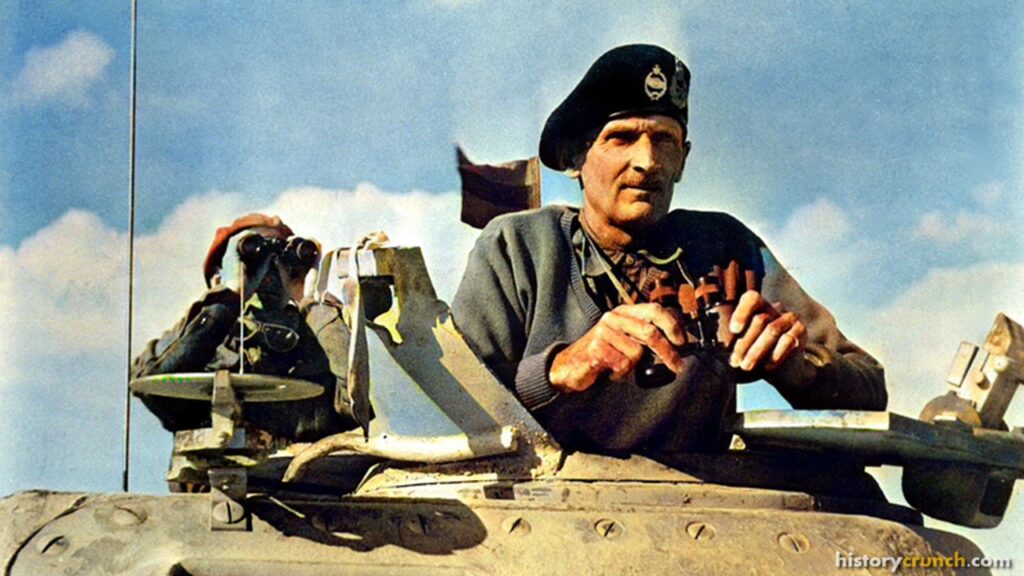
FactsthatCrunchFactsthatCrunchBernard Montgomery commanded the British Eighth Army in North Africa and defeated German forces at the Second Battle of El Alamein in late 1942, a turning point in the desert war. He later commanded Allied ground forces during the Normandy landings in 1944 and accepted Germany's surrender on the Western Front at Luneburg Heath on May 4th, 1945.
FactsthatCrunch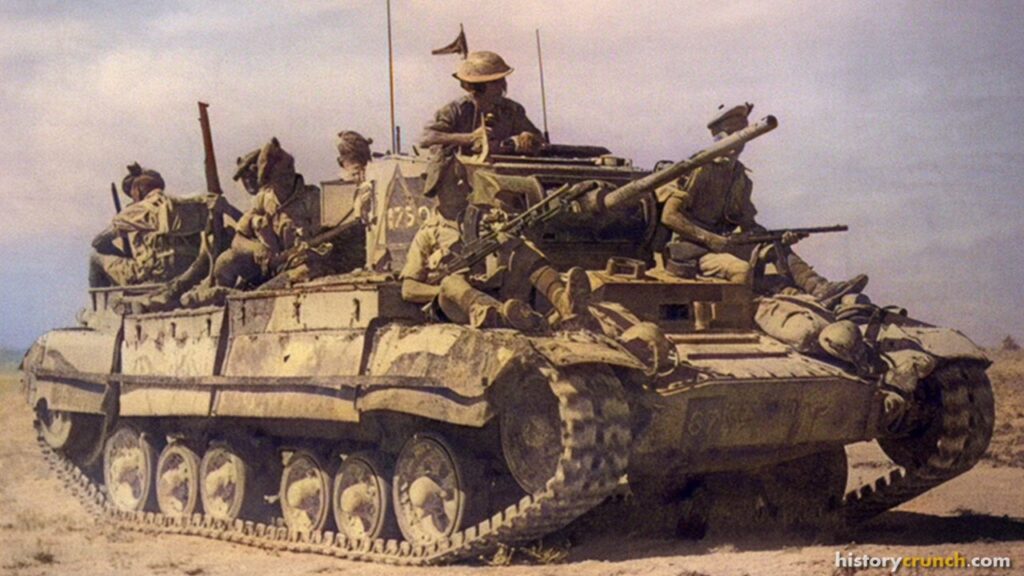 Black & whiteColourFactsthatCrunch
In what order did these key phases of the Second Battle of El Alamein unfold?
At the First and Second Battles of El Alamein in World War II, was each of these a decision or action taken by the Allied side or the Axis side?
Sources
- Erwin Rommel, The Rommel Papers (1953)
- Library of Congress
- National Army Museum
- National WWII Museum
- Smithsonian Institution
- UNESCO
- US National Archives
Desert Commanders
The North African campaign was shaped heavily by the decisions of a small number of senior officers on both sides, whose choices about when to attack, when to retreat, and how to use limited supplies determined the outcome of whole campaigns. Comparing these commanders across the same categories shows how differently each side approached desert warfare and what those approaches cost them. The cards here cover the key figures whose orders moved armies across hundreds of miles of desert terrain.
FactsthatCrunchFactsthatCrunchErwin Rommel, the German commander in North Africa, never suffered a major battlefield defeat until the Second Battle of El Alamein in October 1942.
FactsthatCrunchCan you name this mystery person before the photo develops? Click through the hints and lock in your guess.
Sources
- Imperial War Museums
- Library of Congress
- National Army Museum
- National WWII Museum
- UNESCO
Operation Torch
In November of 1942, American forces entered the war in the European and Mediterranean theaters for the first time through a large coordinated landing across North Africa. The operation required British and American planners to cooperate on a scale they had not attempted before, and it also forced the Allies to deal immediately with French colonial forces whose loyalty was uncertain. The cards here show how that joint effort unfolded and what it set in motion for the rest of the North African campaign.
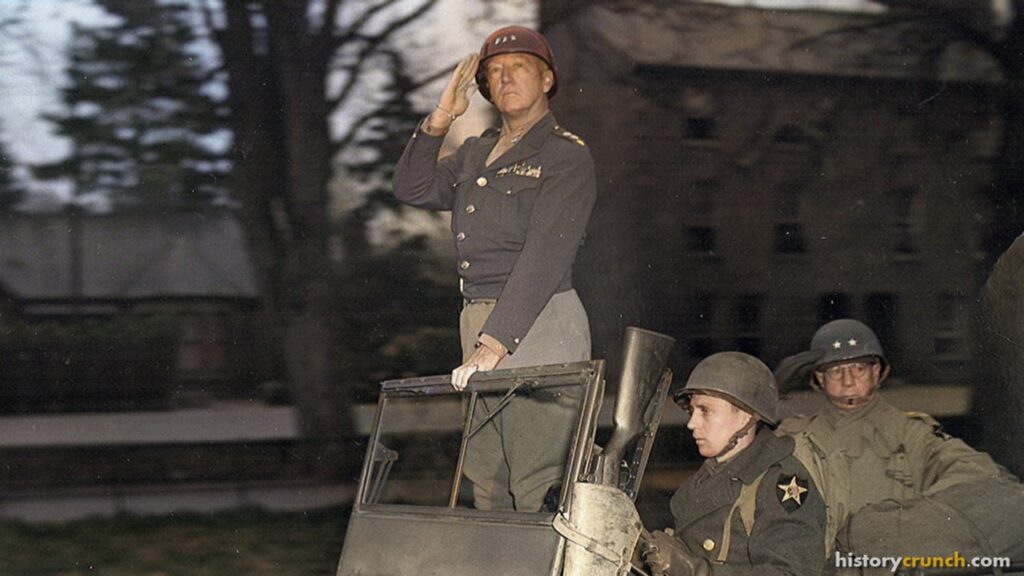
FactsthatCrunchFactsthatCrunchPatton led the U.S. Third Army in a rapid advance across France and into Germany after the breakout at Normandy in the summer of 1944, covering more ground in less time than almost any other Allied force in the war. He is remembered as one of the most aggressive and effective American field commanders of World War II, known for pushing his troops and armor fast to keep the enemy off balance.
 FactsthatCrunch
Three major Allied amphibious invasions in World War II each targeted a different region, involved different troop numbers, and faced different levels of resistance.
FactsthatCrunchKey takeaways
Operation Torch was the first large-scale American ground offensive in the European and North African theaters, landing troops across three points in French North Africa in a single coordinated attack.
The operation put Allied forces on both sides of Axis-held Tunisia, helping trap roughly 275,000 German and Italian troops who surrendered in May 1943.
Torch proved that the United States could plan and carry out a major amphibious operation, and it set the stage for the Allied invasion of Sicily in 1943.
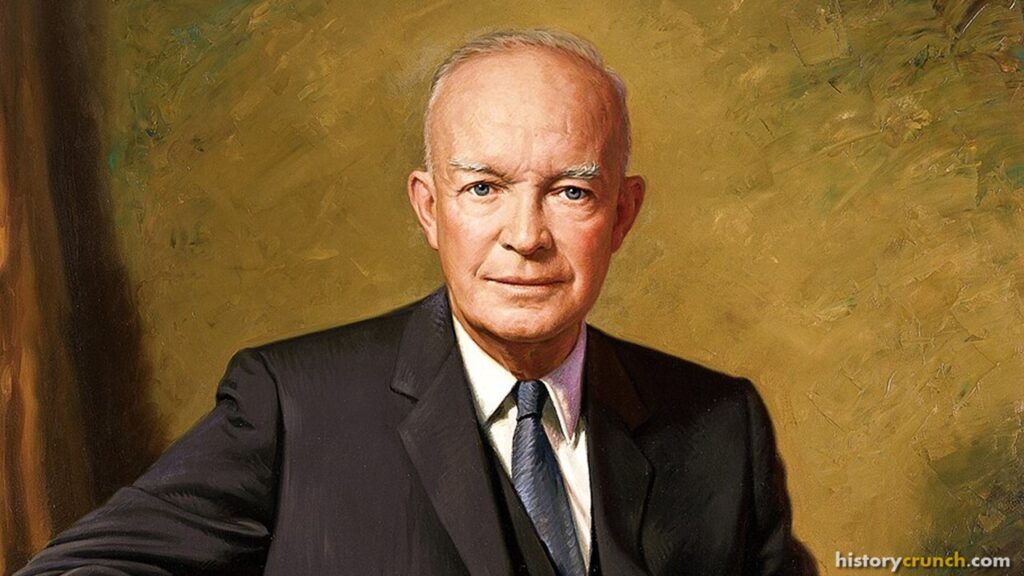
FactsthatCrunchEisenhower commanded Allied forces in North Africa and Europe, coordinating armies from multiple nations to defeat Nazi Germany. His leadership of Operation Overlord, the large-scale Allied invasion of Western Europe, proved central to ending the war on the European front.
 FactsthatCrunch
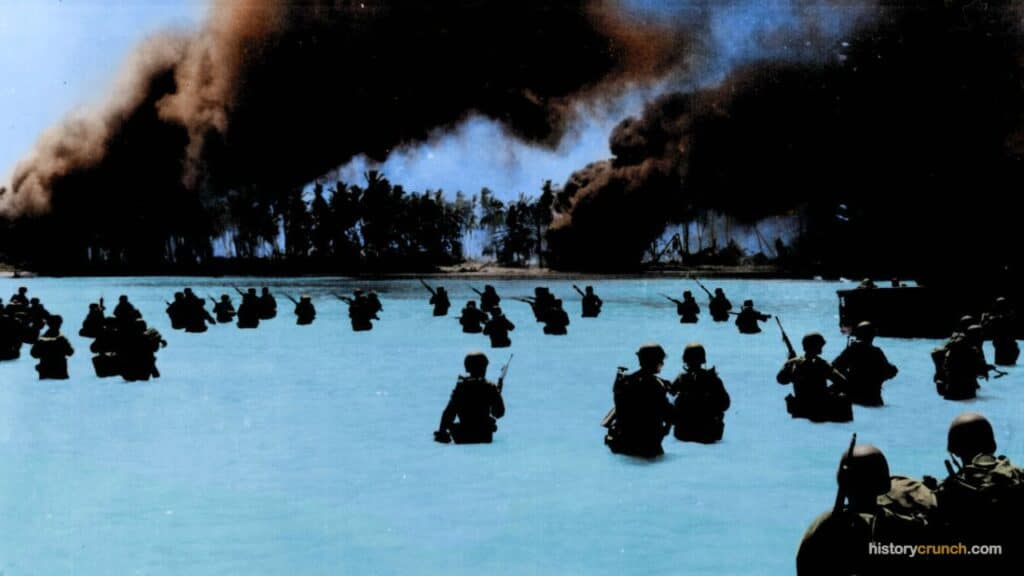
In November 1942, the United States and Britain launched Operation Torch, landing about 107,000 troops in French North Africa to open a new front against the Axis.
FactsthatCrunchOperation Torch in November 1942 was the first time American ground troops fought in the European theater of World War II.
Allied Invasion of Italy
After Axis forces surrendered in North Africa in May of 1943, Allied planners turned their attention to southern Europe, seeing Italy as a way to put direct military pressure on Germany from the south. The decision to invade Italy was debated among Allied leaders, and the choice of where and how to land shaped the entire campaign that followed. These cards cover the planning, the landings, and the early results of an operation that brought the war to the European mainland for the first time from the south.
FactsthatCrunchWhen Italy switched sides on September 8th, 1943, its former German allies responded by disarming and imprisoning roughly 650,000 Italian soldiers and sending them to forced labor camps in Germany and occupied Europe.
Italy had been allied with Germany since the Pact of Steel in 1939, so Germany treated the armistice as a betrayal. Most of those captured Italian soldiers were not released until the war ended in 1945, and thousands died in captivity from harsh conditions and disease. The switch in sides, far from protecting Italian troops, put hundreds of thousands of them in immediate danger from the country they had fought alongside.
FactsthatCrunch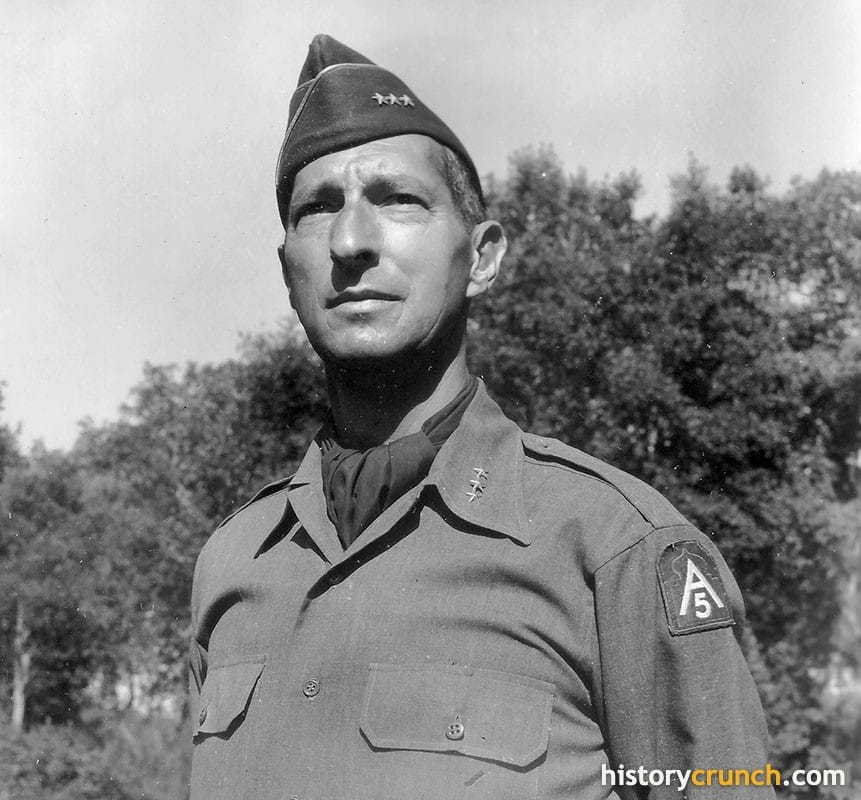 FactsthatCrunchFactsthatCrunch
The Allied Italian Campaign ran for nearly two years and left behind precise, sobering counts of killed, wounded, and missing across more than a dozen nations.
FactsthatCrunchHe got up before a map with his pointer and he kept pointing to Gibraltar, North Africa, the Mediterranean, Sicily and Italy. Finally he said, "We should slit the soft belly of the Mediterranean." Well, my friends, I assure you, when I landed at Salerno, I found it was a tough old gut!
Clark was in the room when Churchill pressed the plan to invade through Italy, and his later account shows how much harder the fighting proved than the phrase suggested.
FactsthatCrunchThe Allied landing on Sicily on July 10th, 1943, put enough military pressure on Italy that within weeks Mussolini was removed from power, and on September 8th, 1943 Italy signed an armistice with the Allies, switching sides in the war.
Both events happened in 1943 and together turned Italy from an Axis partner into co-belligerent status on the Allied side, freeing Allied forces to push northward through the Italian peninsula.
FactsthatCrunchShould the Allies have invaded Italy in 1943, or was it a costly distraction from a faster route to victory?
The Allied invasion of Sicily in July 1943 was code-named Operation Husky and served as the first step in the Allied campaign to enter Italy.
Italian Campaign
Fighting in Italy lasted from the summer of 1943 until the final days of the war in Europe in May of 1945, making it one of the longest sustained Allied campaigns of the entire conflict. The terrain of the Italian peninsula, with its mountain ranges and river valleys, gave defending German forces repeated natural advantages that slowed Allied progress for nearly two years. The cards in this section trace how that prolonged struggle developed and what it demanded from the Allied armies fighting their way northward.
FactsthatCrunchThe Italian Campaign, fought from July 1943 to May 2nd, 1945, knocked Italy out of the Axis and forced Germany to defend a long southern front it could not afford.
It removed Italy as an Axis partner. Mussolini fell from power on July 25th, 1943, and Italy surrendered in September 1943, costing Germany a major ally and forcing Berlin to occupy the Italian peninsula with its own troops.
It pinned down German divisions that could not be sent elsewhere. At key points in 1943 and 1944, roughly 20 German divisions were tied up in Italy, troops unavailable to reinforce the Eastern Front or resist the Normandy landings.
It gave the Allies important air bases. Airfields around Foggia in southern Italy, captured in late 1943, let Allied bombers reach oil refineries in Romania and industrial targets in Austria and southern Germany that were out of range from Britain.
It proved that Allied forces from multiple nations could coordinate large, sustained ground operations. American, British, Canadian, Polish, and French units all fought together in Italy, building the combined command experience the Allies needed for the final campaigns in western Europe.
FactsthatCrunchFollow the chain from top to bottom. Tap any step to read what happened.
FactsthatCrunchIn this colorized photograph, a German Panzer III advances across open desert while a vehicle burns in the background behind it. What does this combination of a moving tank and a destroyed vehicle in the same frame most likely reveal about German armored tactics during Operation Sonnenblume in 1941?